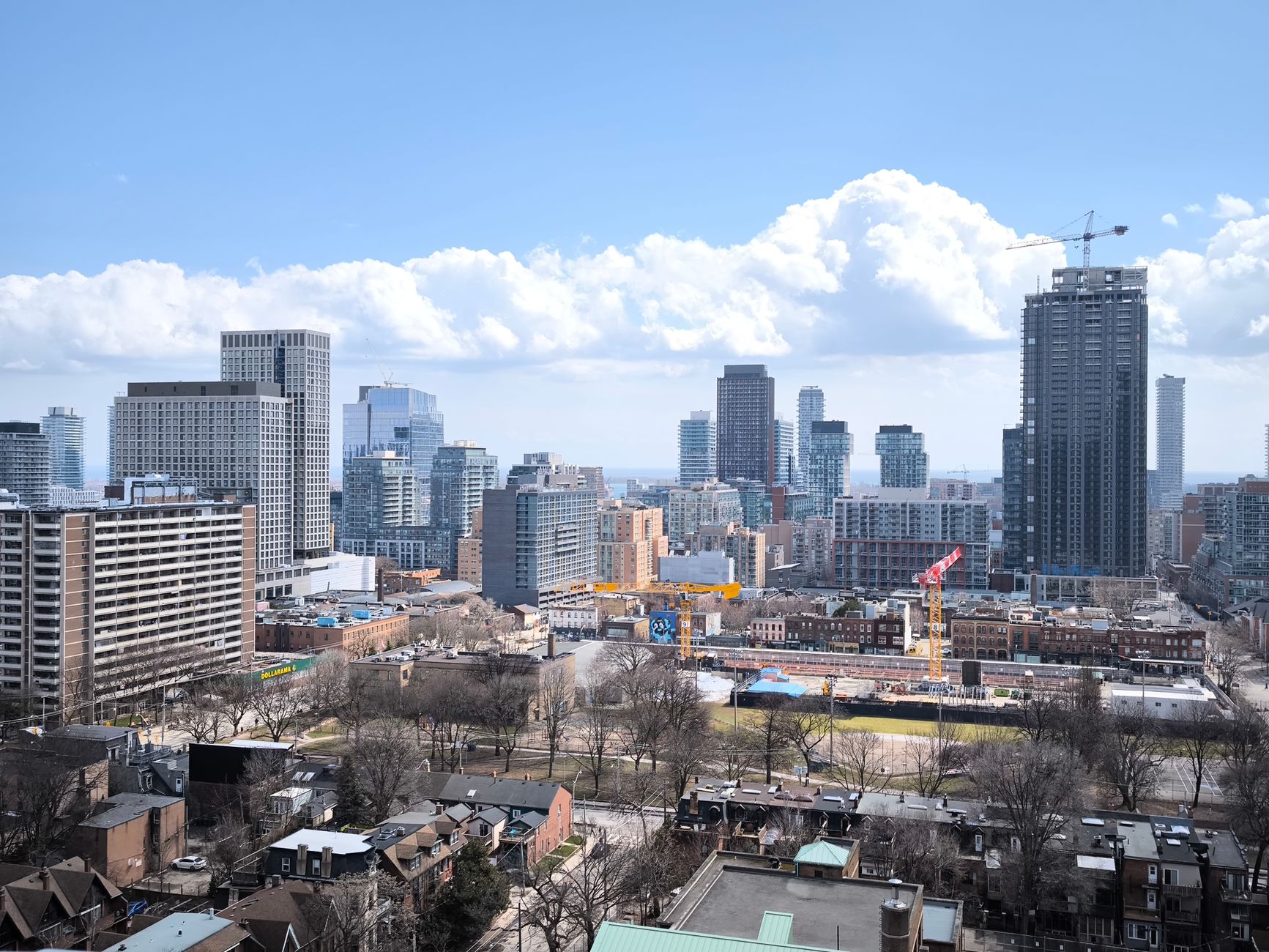
Toronto’s commercial real estate market is one of the most competitive in North America. Vacancy rates in the Financial District, King West tech corridor, and Midtown have historically been tight, and while the post-pandemic market introduced more options for office tenants, finding quality space at a reasonable rate still requires strategy, timing, and professional guidance. Whether you’re looking for your first 500-square-foot office, a warehouse in Etobicoke, or a flagship retail location on Queen Street West, here’s what you need to know.
Toronto’s Commercial Real Estate Market by Sector
Office Space
Toronto’s downtown office market is concentrated in two corridors: the Financial District (Bay Street from Front to Bloor) and the King West tech corridor (King Street West from Spadina to Bathurst). Premium Class A office space in the Financial District commands $40 to $60 per square foot net annually, making it among the most expensive in Canada. The King West corridor offers newer, trendier space with slightly more competitive rates for tech and creative companies. Post-pandemic sublease space has increased available options; a broker can identify quality subleases at significant discounts to direct leases.
Retail Space
Toronto’s prime retail corridors: Yorkville Avenue and Bloor Street West (luxury), Queen Street West (independent retail and restaurants), King Street West (hospitality and nightlife), and the Danforth (neighbourhood retail) each have distinct economics. Queen Street West between Bathurst and Ossington remains one of the most sought-after retail strips in Canada for independent businesses. Rents here range from $50 to $100+ per square foot net. Neighbourhood main streets in Leslieville, Roncesvalles, and the Junction offer far more accessible rates for early-stage retail concepts.
Industrial and Flex Space
Toronto’s industrial market is experiencing record-low vacancy driven by e-commerce logistics demand. Etobicoke, Scarborough, and the 400-series highway corridors in the GTA hold most of the available industrial inventory. Small-bay flex units (2,000 to 5,000 square feet) suitable for light manufacturing, e-commerce fulfillment, or trade businesses are in short supply. Expect to pay $18 to $28 per square foot net for quality industrial space within the city boundaries; prices drop as you move further into the 905 region.
Top Commercial Real Estate Brokerages in Toronto
CBRE Toronto
The world’s largest commercial real estate firm has a dominant Toronto presence with specialists across office, retail, industrial, and investment property. Their research team publishes quarterly market reports that are essential reading for anyone making a commercial real estate decision in the GTA. CBRE is the go-to for larger transactions; their tenant rep team is experienced at negotiating complex multi-year leases.
Colliers International
Colliers has a strong Toronto practice with specialists in tech company leasing, healthcare real estate, and industrial properties. Their tenant advisory team helps growing businesses negotiate lease terms, identify incentive opportunities, and structure deals with landlord improvement allowances (TIAs) that reduce upfront capital requirements.
JLL Toronto
JLL’s Toronto office specializes in corporate real estate services and has worked with many of the city’s largest tech tenants. Their workplace strategy team helps companies right-size their space post-pandemic and negotiate hybrid work-compatible lease structures. JLL’s data and analytics capabilities are particularly strong for companies making data-driven location decisions.
Cushman & Wakefield Toronto
Cushman & Wakefield handles a significant share of Toronto’s retail and hospitality real estate transactions. Their food and beverage specialist team has helped numerous restaurant groups and retailers find flagship locations. For retail brands entering the Toronto market, Cushman’s market knowledge and landlord relationships are invaluable.
What Tenants Need to Know Before Signing
Always engage a tenant representative broker; their fees are paid by the landlord in most transactions, meaning their advice is effectively free to you. Key negotiating points: the length of the free rent period (often 3 to 12 months on a 5-year lease), the tenant improvement allowance (TIA), options to renew or expand, and personal guarantee terms. Review the HVAC maintenance obligations carefully; this is a common source of unexpected costs in older Toronto buildings.
For help financing a commercial lease buildout, see our guide on small business funding in Toronto. If you’re investing in property rather than leasing, our guide on Toronto opportunity zones covers the city’s most compelling investment corridors. The City of Toronto permits and licences portal provides guidance on zoning and occupancy requirements for business uses.
Ready to build your Toronto business empire? Join the Hustler’s Library community free and get the tools, guides, and connections you need to win in Canada’s biggest market.