The National Retail Federation released its 2026 holiday sales forecast on October 15, and the headline number deserves a place on every small business owner’s wall: $1.013 trillion in total retail spending this November and December. That’s a 4.2% increase over 2025’s $972 billion, which itself grew only 3.1% over the prior year. The growth is accelerating. The question is whether your business is positioned to catch any of it.
But here’s the data point buried under the headline that most coverage missed: in-store shopping is making a comeback, and that shift may be the single biggest opportunity for small businesses heading into the next eight weeks.
What Changed
The NRF’s forecast draws on U.S. Census Bureau retail data and consumer surveys by Prosper Insights & Analytics. This year, only 53% of holiday shoppers plan to purchase gifts online — the lowest share since 2015. Consumers also say they plan to do just 52% of their shopping online, down from 56% last year. The decade-long surge of holiday e-commerce has plateaued.
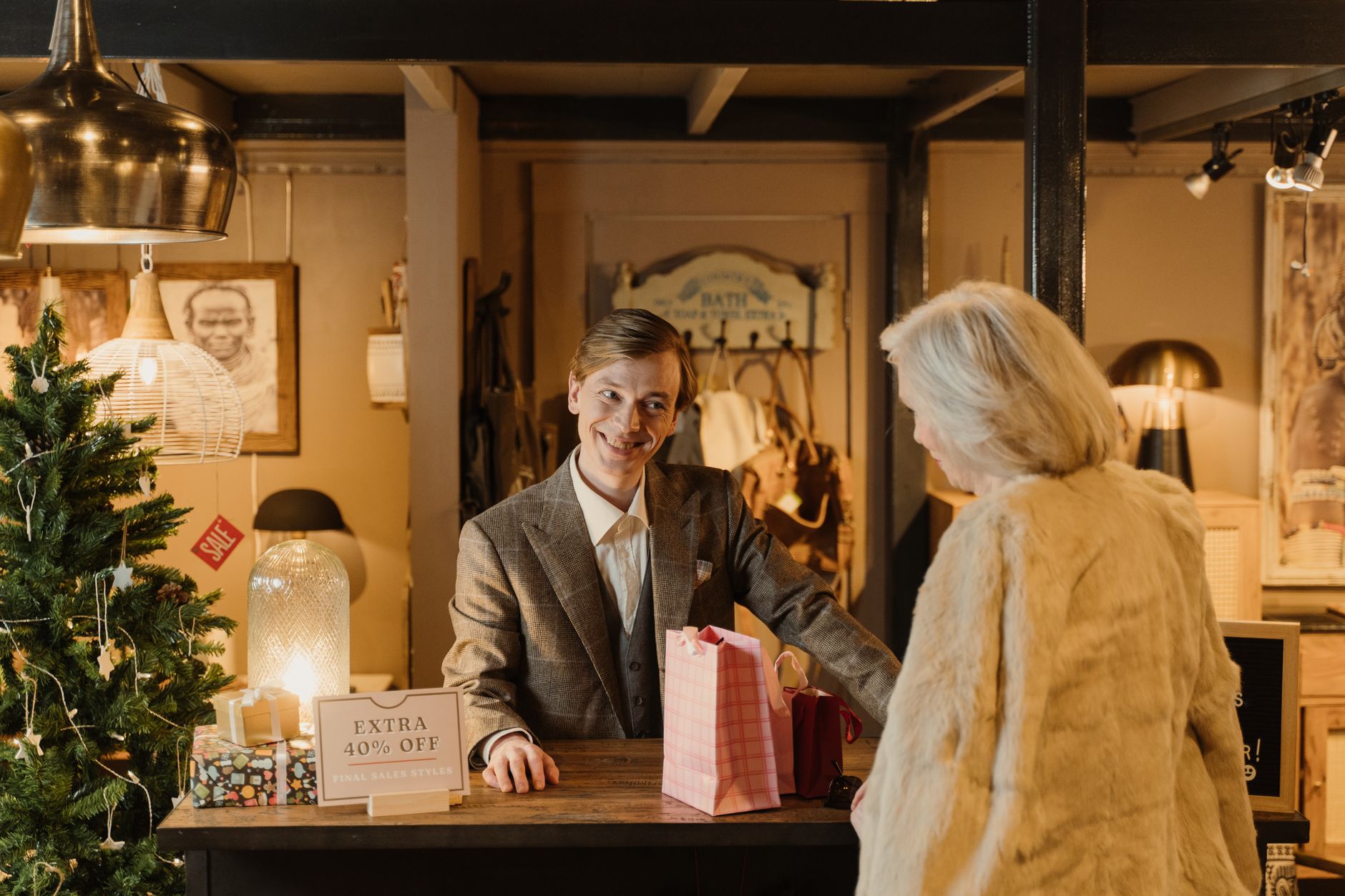
When asked why they’re opting out of online shopping, the answers were telling: 38% want to see and evaluate items before buying, 23% want to be more thoughtful by shopping in person, and 22% enjoy the in-store holiday ambiance. These aren’t consumers dodging shipping fees. They’re making an active choice to walk into a store.
For small businesses with a physical presence, this is the wind at your back. For e-commerce-only operators, it’s a prompt to reconsider your channel mix.
By the Numbers
- $1.013 trillion — projected Nov.–Dec. retail sales, per NRF based on Census Bureau data
- 4.2% — year-over-year growth, up from 3.1% in 2025
- 53% — share of holiday shoppers buying online in 2026, lowest since 2015
- 52% — planned share of shopping done online (down from 56% last year)
- 56% — shoppers who say the economy will affect their spending plans this season
- 56% — shoppers who cite sales and discounts as a top factor in store selection
- 47% — shoppers who want to receive gift cards; clothing (44%) and books/media (25%) are next
- 43% — share who planned to start shopping before November
NRF CEO Matthew Shay noted that “consumers will prioritize the holiday season even as they remain mindful of their budgets.” Chief Economist Mark Mathews flagged that “consumers remain the bright spot in the economy” while noting inflation and gas prices will hit different income groups unevenly.
The Hustler’s Library Take
Everyone will call this a “$1 trillion holiday season” and move on. The more useful frame is this: Amazon, Target, and Walmart built the last decade of infrastructure around online fulfillment. When consumers start drifting back into physical stores, the playing field tilts toward small businesses. You can know your customer’s name, tell the story behind the product, and make buying feel like an experience rather than a transaction. They cannot.
The NRF data also reveals a tension that creates opportunity: 56% of shoppers say the economy is affecting their plans, yet the forecast still calls for 4.2% growth. That means consumers are spending deliberately — they’re prioritizing quality and meaning over volume. That profile favors businesses with clear positioning. If you’ve built your pricing strategy for margin rather than survival, this season is your proof of concept.
What You Should Do
1. Lean into the in-store experience. The NRF data gives you a direct brief: consumers are choosing stores specifically to see, touch, and enjoy ambiance. Refresh your window display. Play music. Feature gift bundles prominently. If you haven’t built your holiday-season operations plan yet, our full holiday prep guide is the place to start — for most small businesses, Q4 is 30–40% of annual revenue, and there’s still enough runway to execute well.
2. Make gift cards a front-line product. With 47% of shoppers specifically wanting to receive them, gift cards are one of the most wanted items this season — and small businesses chronically undersell them. Put them at the register. Feature them in your email this week. If you don’t have a digital gift card option, set one up before Thanksgiving. Capturing the spending momentum that’s already in motion only works if you give people a clear, easy path to direct it your way.
3. Lock in your pricing before Black Friday. With 56% of shoppers watching budgets and 37% citing free shipping as a key factor, you can’t just wing your pricing through November. If free shipping is on the table, build the cost into your margins now. Use this week to audit your numbers with a clear Q4 planning framework — every dollar you earn in November and December should have a job before it arrives.
$1 trillion is the headline. Your cut of it is the only number that matters.
Want more analysis like this every morning? Join thousands of entrepreneurs reading Hustler’s Library. Get free access here.
Ready to Know Where You Stand?
The Business Journey dashboard maps your exact position across all 13 stages. Track your progress, unlock resources for each step, and build with a framework used by thousands of founders at Hustler's Library.

No credit card required · Takes 3 minutes · Personalized to your stage