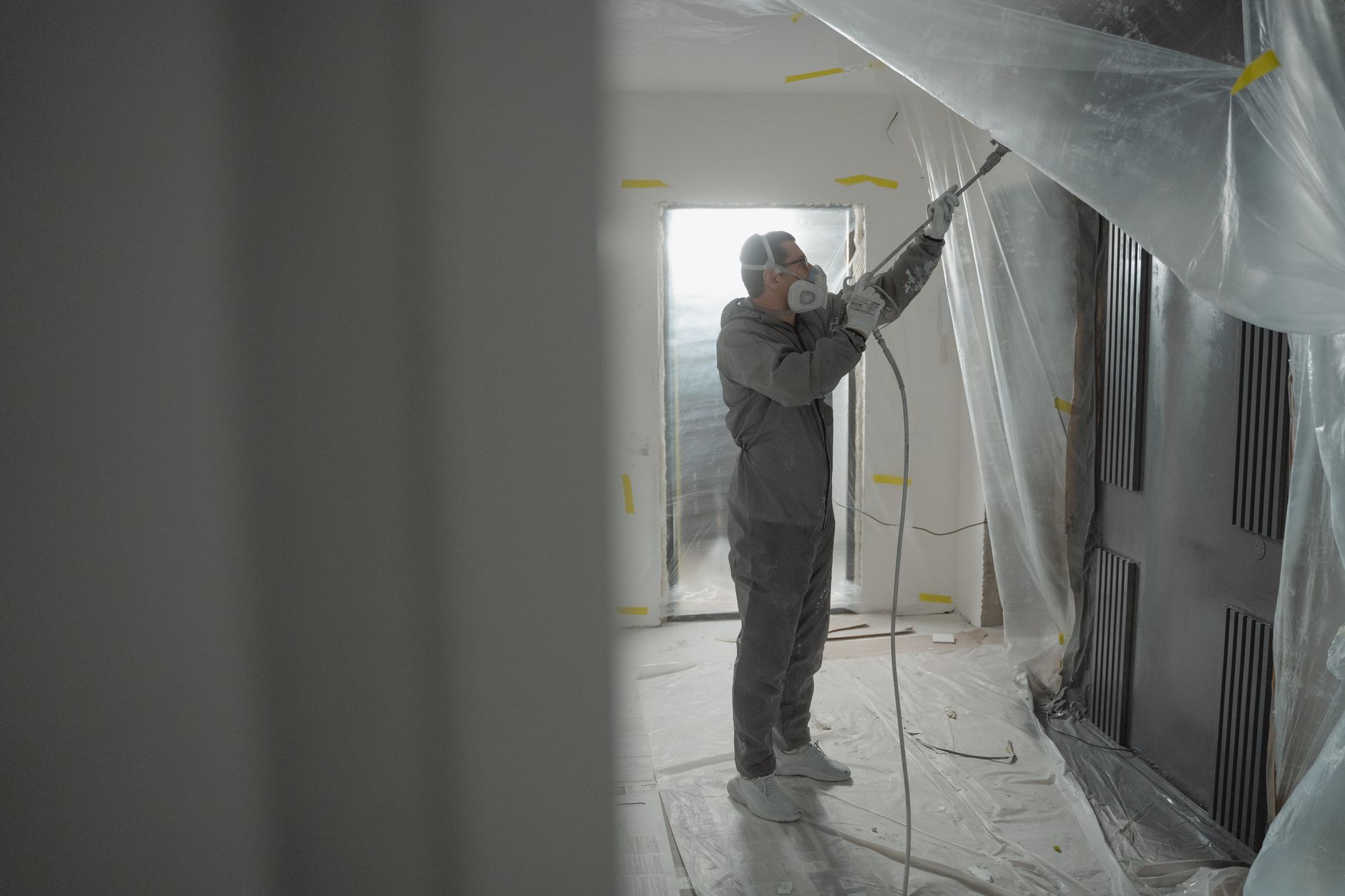
Painting is one of the most straightforward service businesses you can start. Low overhead, no licensing required in most states, strong recurring demand, and customers who need the service year-round. You can realistically do your first paid job within a week of deciding to start. This guide covers everything: startup costs, equipment, how to price jobs, how to get your first clients, and how to grow from side hustle to full operation.
Why Painting Works as a Side Hustle
The barriers are low and the margin is high. A single bedroom repaint charges $300 to $600. A whole-house exterior can run $3,000 to $8,000. Labor is the primary cost, which means your margin on jobs you do yourself is 60 to 75 percent after materials.
Unlike many equipment-heavy service businesses, painting requires minimal upfront investment. You can legitimately start for under $1,000 and have your materials covered by your first client deposit.
Residential vs Commercial Painting: Which to Start With
Residential Painting
Interior and exterior home painting is the easiest entry point. Homeowners are the buyers, jobs are typically 1 to 5 days, payment is direct, and word-of-mouth referrals are strong in neighborhoods. Most residential painters start here.
Typical residential jobs:
- Interior rooms: $200 to $600 per room (labor only)
- Full interior (2,000 sq ft home): $3,000 to $7,000
- Exterior repaint (single-story): $2,500 to $5,000
- Exterior (two-story): $4,000 to $8,000+
- Cabinet painting: $800 to $2,500 depending on size
- Deck staining: $500 to $1,500
Commercial Painting
Commercial work (offices, retail spaces, apartment complexes, industrial buildings) pays more per job but requires more equipment, liability insurance, and typically a business license and sometimes a contractor’s license. Commercial clients often require proof of insurance before you can even bid.
Commercial is not the place to start if you are a solo operator, but it is a natural growth path after you build a crew and proper insurance coverage. A commercial interior repaint of a 5,000 sq ft office can pay $8,000 to $20,000.
Recommendation for new painters: Start residential interior. Lower risk, lower equipment needs, easier scheduling, and faster word-of-mouth.
Startup Costs
Tools and Equipment
- Roller frames and covers: $30 to $60 (buy quality 9-inch rollers — cheap ones leave lint)
- Paint brushes (angled sash, 2.5″ and 3″): $40 to $80 for a solid starter set
- Extension poles: $20 to $50
- Drop cloths (canvas, not plastic): $60 to $120 for a set of 4
- Painter’s tape (3M ScotchBlue): $20 to $40 per job — bill this to the client in your materials cost
- 5-gallon buckets and bucket screens: $15 to $25
- Putty knife, spackle, sanding sponges (prep tools): $30 to $50
- Ladder (6-ft and/or 8-ft): $80 to $180 — for exterior work, a 24-ft extension ladder runs $200 to $400
- Paint sprayer (optional for large jobs): $150 to $400 for an airless sprayer like a Graco Magnum — useful for exteriors and large interior spaces
- Caulk gun and caulk: $20 to $40
- Paint: Bill to client — never absorb paint cost; include it in your estimate and add 10 to 15 percent markup
Business Setup
- LLC formation: $50 to $150 depending on your state — recommended once you are doing regular work
- General liability insurance: $400 to $800 per year for a solo operator with $1M coverage — this is not optional if you want clients to take you seriously
- Business cards: $20 to $40
- Simple website or Google Business Profile: Free to set up
Realistic all-in starting cost: $500 to $1,200. If you already have ladders and basic tools, you can start for $400 or less.
How to Price Painting Jobs
Most residential painters price by the square foot or by the room, but the real number to watch is your hourly effective rate. You want to be clearing $40 to $75 per hour after materials.
Pricing Formulas
- Interior walls by square foot: $1.50 to $3.50 per sq ft (walls only, labor + materials)
- Exterior by square foot: $1.50 to $4.00 per sq ft depending on condition, height, and prep needed
- Per room method (interior): Small room (10×12) = $250 to $400 | Medium room (12×14) = $350 to $550 | Large room or living area = $500 to $800
What to Include in Your Estimate
- Labor (your time, and any help you hire)
- Paint and primer (cost + 10 to 15 percent markup)
- Tape, drop cloths, spackle, caulk (consumables)
- Surface prep (this is where most cheap quotes fall short — charge for it)
- Cleanup
Never quote without seeing the job in person. Walk the space, assess the condition, estimate coverage, and then provide a written quote. Clients who call for a phone quote without letting you see the work are usually just price-shopping.
Requiring a Deposit
Always collect 30 to 50 percent upfront. This covers materials and filters out flaky clients. The balance is due on completion. Never do a full job on net-30 terms when you are starting out.
How to Get Your First Clients
The first 5 to 10 clients are the hardest. Here is what actually works:
Start With Your Network
Post in Nextdoor, Facebook neighborhood groups, and your personal social accounts. Offer your first two or three jobs at a small discount in exchange for photos and a Google review. A portfolio with before-and-after photos and five real reviews is more valuable than any ad you can run early on.
Google Business Profile
Set up a free Google Business Profile under your business name. Add photos, your service area, and a phone number. Residential clients in most markets search “painters near me” or “interior painters [city]” on Google. A profile with reviews will show in local map results within weeks of setup.
Platforms and Lead Services
- Thumbtack — pay-per-lead model; competitive but effective for getting started quickly
- Angi (formerly Angie’s List) — subscription plus leads; better for more established painters
- Houzz — strong for interior painting leads tied to renovation projects
- TaskRabbit — good for small interior touch-up jobs to build reviews fast
Referral Relationships
Introduce yourself to local real estate agents, property managers, and general contractors. These people need painters constantly. A property manager with 50 units is worth more than 50 individual homeowners because they call you repeatedly and pay reliably. Bring them business cards and follow up every 6 to 8 weeks.
This is the same principle that works across local service businesses: a handful of strong referral sources beats chasing individual jobs one by one.
Time to First Dollar
Most new painters do their first paying job within 1 to 2 weeks of deciding to start, assuming they already have or quickly acquire basic tools. The path looks like this:
- Day 1 to 3: Buy tools, set up Google Business Profile, post in neighborhood groups
- Day 3 to 7: Offer a discounted rate on a small job (interior bedroom or small room) in exchange for a review and photos
- Day 7 to 14: First paid job complete, first Google review posted, referral network starting
Licenses and Insurance
Most states do not require a contractor’s license for residential painting under a certain dollar threshold (often $5,000 to $10,000 per project). However:
- Some states (California, Florida, others) require a painting contractor license for larger jobs or commercial work. Check your state’s contractor licensing board
- The SBA’s license and permit guide is a good starting point for understanding what your state requires
- A general liability policy ($1M/$2M) is non-negotiable once you are inside people’s homes. One accident that damages flooring or causes a fall costs more than years of premiums
Growing Beyond Solo
Once you are consistently booked 3 to 4 days per week, you have a real business. Growth options:
- Hire a helper: A second set of hands on larger jobs lets you take on more work and complete jobs faster. Most painters start by hiring a per-job helper through Fiverr or local ads before committing to a W-2 employee
- Move into commercial: Requires proper licensing, higher insurance limits, and a crew, but job sizes jump dramatically
- Specialize: Cabinet painting, epoxy floor coatings, or decorative finishes command premium pricing and have less competition than standard wall painting
- Build a crew: Once you have 2 to 3 reliable painters and a steady flow of leads, you can move into a project manager role, quoting and scheduling while your crew does the work
Recommended Resources
- How to Start a Painting Contracting Business on Amazon covers estimating, hiring, and scaling
- Painter Choice and Painting Business Pro (YouTube channels) — free training on estimating and operations
- QuickBooks Simple Start or Wave for invoicing and tracking income versus expenses
Is a Painting Business Worth Starting in 2026?
Yes, with appropriate expectations. This is a real-work, show-up-in-person business. You will be physically active, dealing with clients face to face, and managing the reality of prep, cleanup, and weather delays on exterior jobs. It is not glamorous.
The upside: low startup cost, strong demand that does not disappear with economic cycles, good margins, and a clear path from solo operator to multi-crew business. Painters who build a reliable reputation and a few solid referral relationships can build a six-figure business without paid advertising.
The honest downside: it is labor-intensive, physically demanding, and seasonal in colder climates. You will be on ladders and breathing paint fumes. If that does not fit your lifestyle, look at remote alternatives. But if you want a service business you can launch fast, control your schedule, and grow steadily, painting is hard to beat.
Want more guides like this?
Join the Hustler’s Library community for practical, no-hype business content delivered straight to your inbox.
Join FreeReady to Know Where You Stand?
The Business Journey dashboard maps your exact position across all 13 stages. Track your progress, unlock resources for each step, and build with a framework used by thousands of founders at Hustler's Library.

No credit card required · Takes 3 minutes · Personalized to your stage