Starting a freelance photography business sounds straightforward: buy a camera, take great photos, get paid. The reality takes a bit more planning, but the path from hobbyist to working photographer is genuinely achievable. This guide covers the practical side, including which niche to focus on, what equipment actually matters, how to price your work, and how to land your first paying clients.
Why Freelance Photography Is Still a Viable Side Hustle
The photography market is crowded, but most photographers struggle with the business side, not the creative side. Clients constantly complain about photographers who ghost them, deliver late, or have no idea how to price a package. If you can be reliable, professional, and reasonably skilled, you have a real advantage.
According to the Bureau of Labor Statistics, the median annual wage for photographers is around $40,000, but that number hides a wide range. Event photographers and commercial shooters often earn $60,000 to $100,000 or more once they build a client base and price correctly. Part-time freelancers routinely earn $1,500 to $4,000 per month shooting weekends only.
Step 1: Pick a Niche Before You Buy Anything
The biggest mistake new photographers make is trying to shoot everything. Weddings, headshots, real estate, food, events, newborns, product photography, fine art, sports: each one requires different gear, different skills, and a different client base. Trying to serve all of them from the start means you market to no one and build authority in nothing.
Here is a quick breakdown of the most accessible niches:
Portrait and Headshot Photography
Startup costs are low, demand is consistent, and sessions can be done in a few hours. Corporate headshots pay $150 to $400 per session. LinkedIn demand alone keeps headshot photographers busy in most cities. Good entry point for beginners.
Event Photography
Covers corporate events, conferences, galas, birthday parties, and graduation parties. Rates range from $100 to $250 per hour. Corporate clients often book multi-day events and pay premium rates. Downside: high volume of shooting means significant editing time.
Real Estate Photography
Real estate agents need photos for every listing. Rates start around $150 to $300 per property shoot. Volume is high, and agents who find a reliable photographer become repeat clients. Adding drone photography (requires FAA Part 107 certification) bumps rates to $300 to $500 per listing.
Wedding Photography
Highest per-job rates ($1,500 to $5,000+ for a full day) but also the highest pressure. Weddings do not offer a reshoot. This niche rewards experience, so most photographers start here as a second shooter to build their portfolio before booking solo.
Product and E-Commerce Photography
Brands selling on Amazon, Shopify, or Etsy need product images constantly. Rates vary widely: $25 to $150 per product image. Shoot in a home studio setup. Scalable because one client can send hundreds of products over time.
Step 2: What Equipment You Actually Need
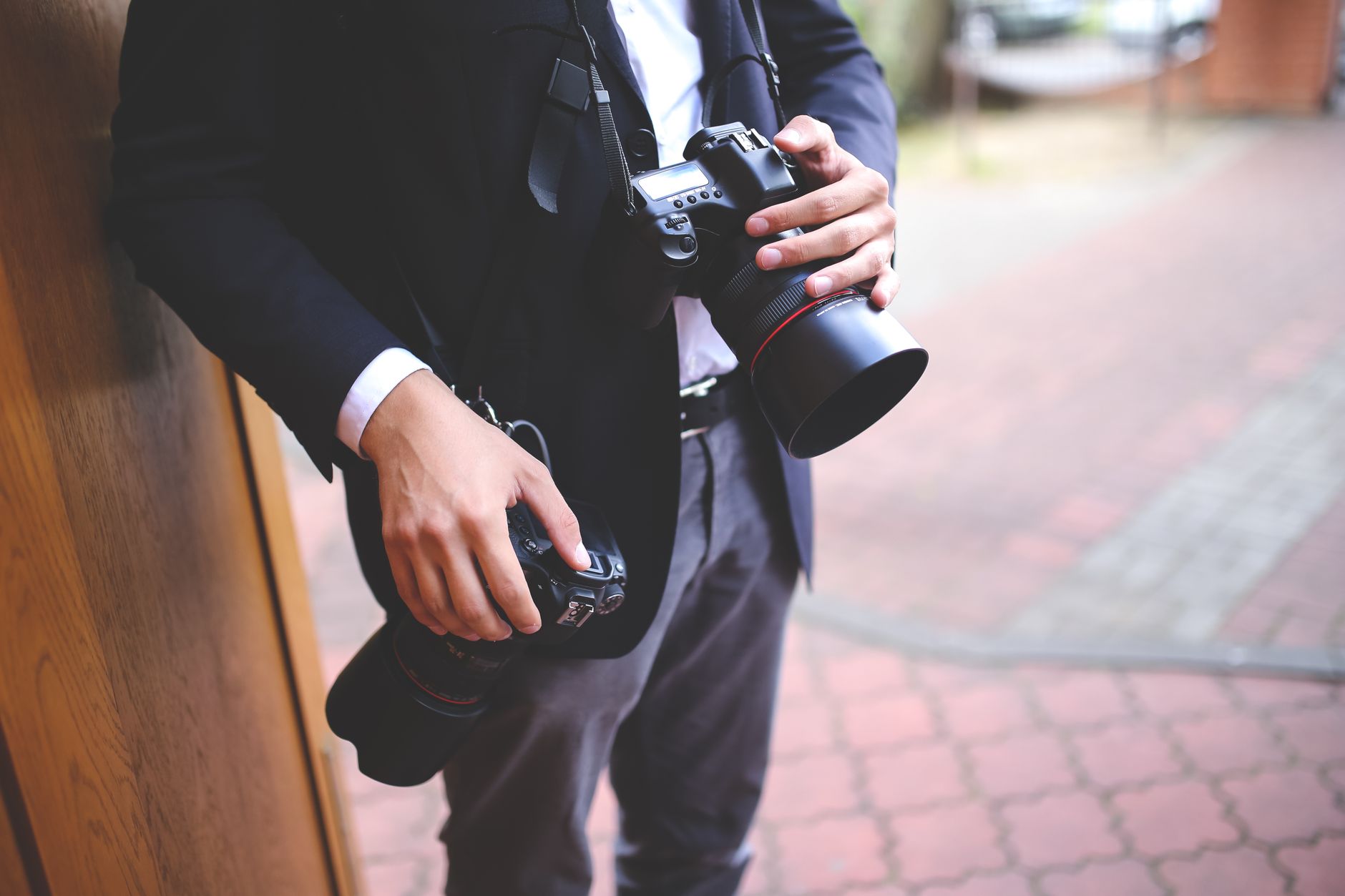
You do not need the most expensive camera. You need gear that is good enough for your chosen niche, delivered consistently.
Camera body: A used Sony a6400 or Canon R50 runs $600 to $900 used. A used Canon 5D Mark IV or Sony a7 III runs $1,200 to $1,800 used. Either is more than enough for portraits, events, and real estate.
Lenses: One versatile zoom lens (24-70mm equivalent) plus one fast prime (50mm f/1.8 or 85mm f/1.8) covers 80% of shoots. Budget $300 to $700 total buying used.
Lighting: For portraits and product work, two speedlights or one entry-level strobe kit ($150 to $400) makes a bigger difference than upgrading your camera body.
Editing software: Adobe Lightroom at $10.99/month is the industry standard. Learn it well before adding anything else.
Total startup cost estimate: $1,500 to $3,000 for used gear if you are starting from scratch. If you already have a capable camera, you can start much cheaper.
For building a full professional kit over time, check out our guide on how freelance video editors approach gear and client acquisition, since the business model overlaps significantly.
Step 3: Build a Portfolio Before You Charge Full Rates
Clients book photographers based on what they have already shot. If your portfolio is empty, you have two options: shoot for free or shoot for reduced rates to build samples.
Practical ways to build a portfolio fast:
- Offer free or discounted headshots to three to five people in your network. Post the results.
- Second-shoot a wedding or event with an established photographer. Ask permission to use the images for your portfolio.
- Contact a local real estate agent and offer one free listing shoot in exchange for a testimonial.
- Shoot local small business product photography at a discounted rate for the first month.
Your portfolio does not need 50 images. It needs 15 to 20 strong images that show exactly what you do. Specificity matters more than volume.
Host your portfolio on your own website (use Squarespace or Pixpa for clean photography layouts) plus a profile on a platform relevant to your niche.
Step 4: How to Price Your Photography Work
Underpricing is the most common mistake. When you charge too little, you signal low quality and attract clients who will haggle over everything.
Here are realistic starting rates by niche for a newer photographer with a small but solid portfolio:
- Headshots: $150 to $300 for a 1-hour session with 10 to 20 edited images
- Events: $125 to $200 per hour, 3-hour minimum
- Real estate: $175 to $275 per property (up to 25 images)
- Weddings: $1,200 to $2,500 for 6 to 8 hours as a solo photographer starting out
- Product photography: $50 to $100 per product, or $500 to $800 for a half-day studio session
Factor in editing time when you price. A 4-hour event shoot typically generates 3 to 5 hours of editing. Your effective hourly rate drops fast if you do not account for this.
Do not just charge for your time: charge for your skill, your equipment, and the value the photos create for the client. A real estate agent earns $10,000 in commission from a sale. Your $250 photos helped make that happen.
Step 5: Where and How to Find Your First Clients
Do not wait for clients to find you. Here is where to actively look:
Local Outreach (Most Effective When Starting Out)
- Email local real estate agents directly. Find them on Zillow or their brokerage website. Offer a free first shoot.
- Reach out to local businesses on Instagram that have mediocre product or branding photos. Show them what better looks like.
- Post in local Facebook groups offering introductory headshot sessions.
- Talk to event planners, wedding coordinators, and venue managers who need reliable photographer referrals.
Freelance Platforms
- Thumbtack: Good for local services like headshots and events. You pay per lead.
- Bark.com: Similar to Thumbtack, works well for event and wedding photographers.
- Fiverr: Works for product photography and retouching. Competitive, but high volume once you build reviews. (Affiliate link)
- Snappr: On-demand photography platform. You apply, get approved, and they send you gigs. Good for events and headshots in major cities.
LinkedIn and Instagram
Post your work consistently. Before-and-after edits perform well. Behind-the-scenes content builds trust. Connect with local business owners on LinkedIn and offer headshot sessions directly. Instagram’s location tags help local clients find you.
If you are building this as a solo freelance business, the principles in our guide on landing your first freelance client in 30 days apply directly here.
Step 6: The Business Side (Do Not Skip This)
Contracts: Every shoot needs a contract. Cover what is included, how many edited images, turnaround time, usage rights, and your cancellation policy. HoneyBook or Dubsado handle contracts, invoicing, and client communication in one tool ($19 to $30/month).
Insurance: Equipment insurance and general liability insurance matter. A client trips on your gear bag at a shoot, and you have a problem without coverage. Hiscox offers photographer-specific liability policies starting around $22/month.
LLC: Once you are earning consistently, form an LLC to protect your personal assets. It costs $50 to $200 depending on your state and takes about a day to file.
Taxes: Set aside 25 to 30% of every payment for taxes. Track all equipment, software, mileage, and home studio expenses as deductions.
Realistic Income Timeline
Here is an honest picture of what to expect:
- Month 1 to 3: Building portfolio, landing first 2 to 3 paid clients. Income: $0 to $500/month.
- Month 4 to 6: Word-of-mouth starts. 4 to 8 shoots per month. Income: $800 to $2,000/month part-time.
- Year 1 to 2: Established in your niche with repeat clients. Income: $2,000 to $5,000/month part-time or $50,000+ annually full-time.
The photographers who grow fastest are the ones who pick a niche, market consistently, and treat every client like a referral machine. One happy real estate agent sends you every agent in their office. One solid corporate client books you for six events a year.
Recommended Resources
Two books worth reading: The Business of Professional Photography by Kirk Tuck covers the commercial side thoroughly. The Minimalist Photographer covers developing your eye without chasing gear.
Start Before You Feel Ready
Most photographers wait too long to charge money. They keep upgrading gear, taking free gigs, and telling themselves they need to get better first. The market will tell you when you are good enough. Start charging something, deliver great work, and raise your rates as your portfolio grows.
The equipment you need to start is probably cheaper than you think. The skills you need to start are probably closer than you think. The main thing separating you from a working photographer is putting up a portfolio page, sending 20 emails, and booking one paid shoot.
Ready to Build a Business Around Your Skills?
Join thousands of entrepreneurs getting real, actionable business guides every week.
Join FreeReady to Know Where You Stand?
The Business Journey dashboard maps your exact position across all 13 stages. Track your progress, unlock resources for each step, and build with a framework used by thousands of founders at Hustler's Library.

No credit card required · Takes 3 minutes · Personalized to your stage