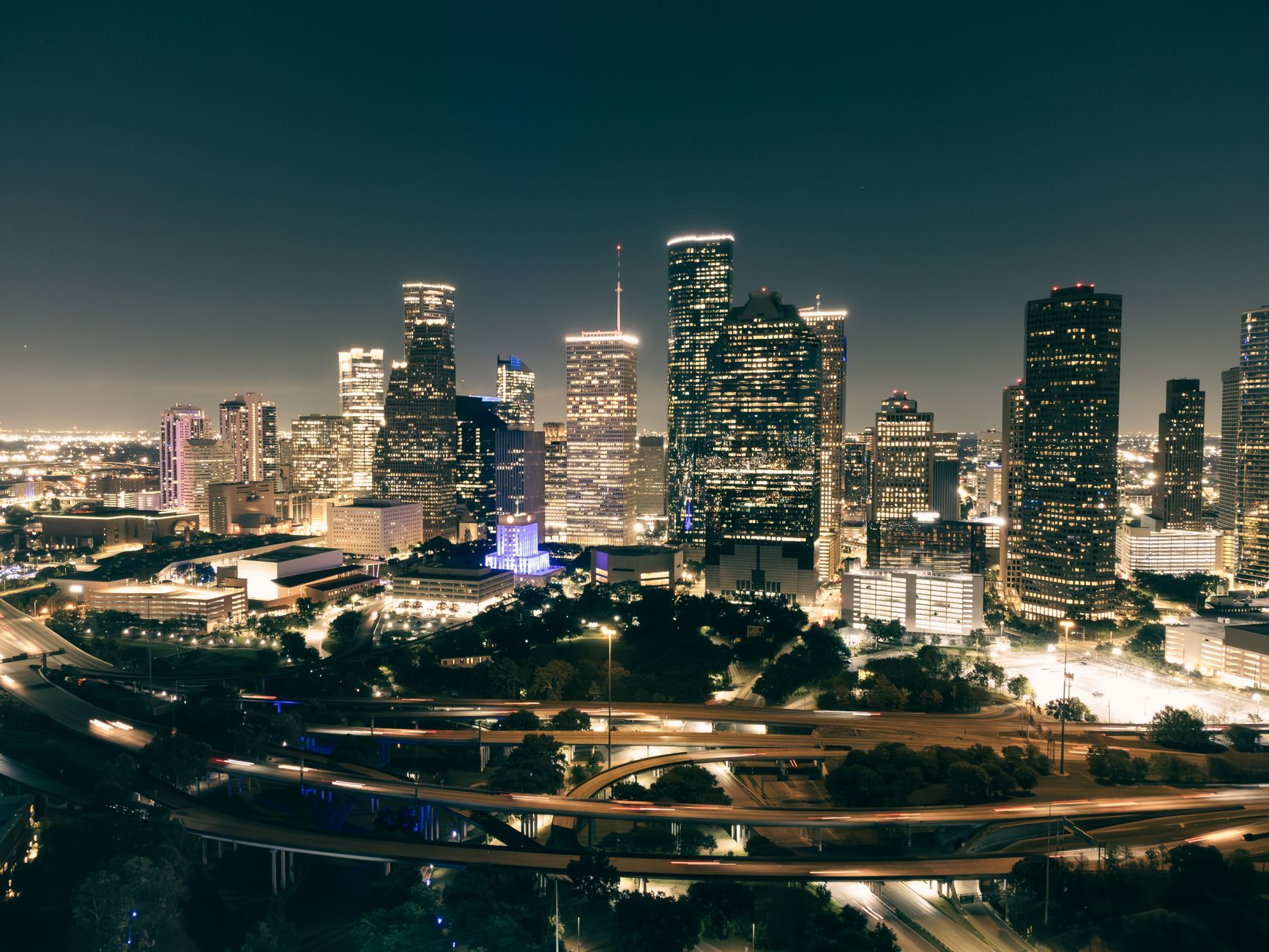
Houston is unlike any other city on the American business map. It is the energy capital of the world, home to more Fortune 500 companies than any U.S. city except New York and Dallas, and the site of the world’s largest medical complex. It is also a city that will absolutely swallow you alive if you show up unprepared. No real transit system. A road network built for cars and nothing else. Flash floods that can shut down major corridors within hours. And a professional culture in the energy and medical sectors that still runs on formal attire and in-person relationship building.
Do the prep work before you fly. Here are the 10 things every entrepreneur should do before an Houston business trip. For the full market breakdown, read our complete guide to doing business in Houston.
10 Things to Do Before Your Houston Business Trip
1. Accept That a Car Is Not Optional
Houston spans approximately 670 square miles. There is no subway. The light rail system covers limited routes that almost certainly do not connect your hotel to your meetings. Rideshare exists but surge pricing during rain, events, and peak hours makes it expensive and unpredictable for a full meeting day. You need a rental car. Book it the moment your trip is confirmed. Reserve it at George Bush Intercontinental (IAH) or Houston Hobby (HOU) depending on your arrival airport, confirm your pickup process, and get a car that gives you confidence navigating a city this large in summer heat and periodic downpours.
2. Map Your Key Meeting Locations and Build Driving Routes
Houston’s business geography clusters into distinct zones: the Energy Corridor (oil, gas, and petrochemicals in West Houston), the Texas Medical Center (south of downtown, the largest medical complex in the world), Galleria/Uptown (finance, real estate, luxury retail), Downtown (corporate HQs, law firms, government), and EaDo/Midtown (tech startups and creative firms). Map every meeting before you land. Understand the driving distances between them. Build a routing plan for each day that minimizes backtracking. The Beltway 8 and I-610 loops help navigate the metro, but traffic on both is significant during peak hours.
3. Understand Houston’s Formal Business Culture
If you are meeting with anyone in the energy sector, the Texas Medical Center, or the Galleria financial community, business formal is the expected standard. Full suit, dress shoes, conservative tie if relevant. This is not Austin or a tech startup scene. Houston’s dominant industries were built on oil money and medical prestige and the professional culture reflects that. Showing up in smart casual to an energy executive’s office is a real misstep. Research your specific contacts and companies before you pack, then calibrate your wardrobe accordingly. For the full packing breakdown, see our Houston entrepreneur’s packing list.
4. Learn the Flash Flood Risk and Have a Plan
Houston floods. This is not an exaggeration. The city’s geography, flat terrain, and heavy clay soils make it the most flood-prone major city in the United States. Flash flood events can develop within hours of heavy rain and some roads in the metro become impassable during peak events. Before your trip, identify which routes near your hotel and meeting venues have known flood risk. Download flood map awareness resources from the City of Houston official site. Never drive through water of unknown depth. Build contingency plans for meeting reschedules if a flood event occurs during your stay.
5. Prepare Your Wardrobe for the Climate
Houston’s summers are among the most extreme in the continental United States. Temperatures above 95 degrees Fahrenheit combine with humidity levels that make heat indexes push toward 110 or higher. From May through October, you will be soaked within minutes of outdoor activity. Pack breathable, moisture-wicking fabrics, bring more shirts than you think you need, and build time into your schedule to change before critical meetings if your day involves significant outdoor movement. This is not optional prep: it is professional survival strategy in Houston’s climate.
6. Research Your Industry Sector’s Houston Footprint
Houston’s economy is layered. Energy is dominant but healthcare, aerospace, petrochemicals, logistics, and real estate are all substantial industries with distinct networks. The Texas Medical Center alone employs over 100,000 people. Know which sector your contacts operate in, who the key players are, and what the current business conversation looks like in that space. Industry-specific research here goes a long way: Houston professionals, particularly in energy and healthcare, can tell immediately whether someone has done their homework or is just passing through. That distinction shapes whether the relationship goes anywhere.
7. Book Your Hotel in the Right Zone
Houston’s size makes hotel location a high-stakes decision. Staying downtown when all your meetings are in the Energy Corridor means 30 to 45 minutes of driving each way, every day. Staying near the Galleria puts you in the center of a lot of business activity but far from the Medical Center. Map your meetings first, then book a hotel within 10 to 15 minutes of your primary cluster. This single decision can save you two to three hours of driving per day on a multi-day trip.
8. Set Up Your Follow-Up System Before You Fly
Houston’s business culture is relationship-driven and long-game oriented. Deals in the energy sector, real estate, and medical fields rarely close on a first meeting. They close after months of consistent follow-up and demonstrated reliability. Before you fly, set up a simple follow-up system: a CRM pipeline, a tagged spreadsheet, or a structured notes folder on your phone. Plan to send LinkedIn connections and personalized follow-up emails within 24 hours of each meeting. Block that time in your calendar now, before the trip fills up with post-travel catch-up. For more on building businesses that last through consistent execution, see our guide on what separates businesses that last 10 years.
9. Confirm All Meeting Logistics Including Parking
Houston’s large office parks, energy campuses, and medical center facilities all have specific parking arrangements. Some require visitor passes. Some charge by the hour. Some have valet-only setups for certain buildings. Confirm parking logistics for every meeting location in advance. Nothing derails a first impression like showing up 20 minutes late because you were circling a campus looking for visitor parking. For downtown Houston meetings, research the tunnel system: the city has a 6-mile underground climate-controlled walkway connecting major buildings that is genuinely useful during summer heat.
10. Download Offline Maps and Traffic Apps
Houston’s connectivity inside large buildings, medical campuses, and energy facilities can be limited. Download the entire Houston metro on Google Maps before you fly. Save every meeting address, your hotel, the nearest gas station to your rental pickup, and major hospitals (useful in any travel context). Install Waze for live traffic routing. During rain events, Waze is particularly useful for rerouting around flooded sections. Do not rely on live data connectivity at critical moments: Houston’s size and event-driven traffic means you will encounter situations where offline maps are the difference between on-time and late.
Go In Prepared, Come Out Ahead
Houston rewards preparation and professionalism. The city’s dominant industries have high standards and long memories. Entrepreneurs who do the work before they land, dress appropriately, understand the culture, and follow up consistently build lasting relationships in one of America’s most powerful business ecosystems.
Join Hustler’s Library for free and access the guides, community, and resources that help entrepreneurs build in Houston and every major market they enter.
Ready to Know Where You Stand?
The Business Journey dashboard maps your exact position across all 13 stages. Track your progress, unlock resources for each step, and build with a framework used by thousands of founders at Hustler's Library.

No credit card required · Takes 3 minutes · Personalized to your stage