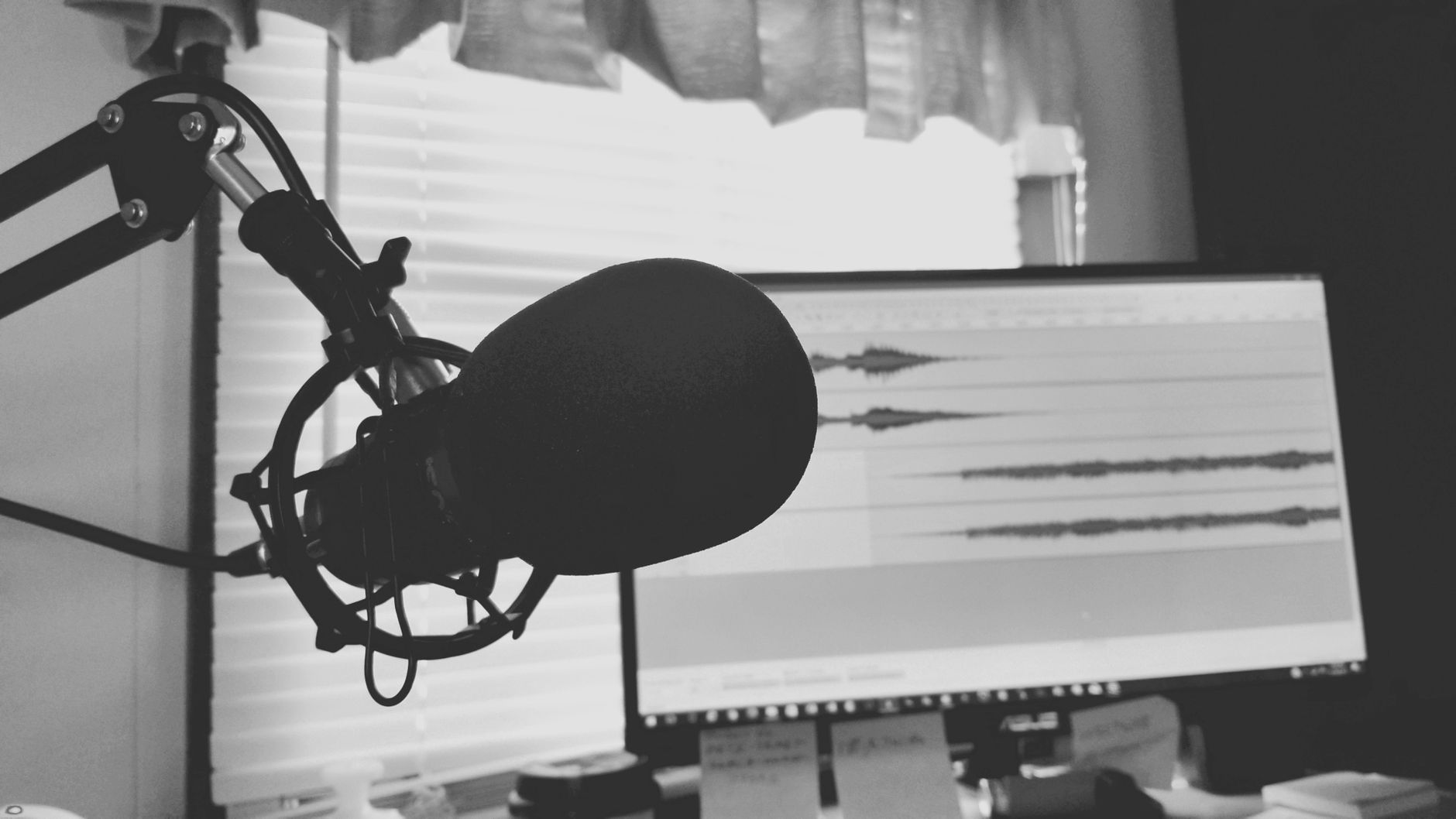
Voiceover work is one of the few side hustles where your voice is your product. You do not need to be on camera, you do not need a huge social media following, and you do not need years of acting experience. What you do need is a decent microphone, a quiet recording space, the ability to read copy convincingly, and a willingness to audition repeatedly before you land consistent work.
The income range is wide. Beginners doing low-rate platform gigs might earn $100 to $300 per month. Working professionals handling commercial, corporate, and audiobook narration full-time can earn $80,000 to $150,000 per year. Most people starting from scratch realistically earn $500 to $2,000 per month within their first year if they put in consistent effort. This guide covers how to get there without wasting money on equipment you do not need yet.
What Voiceover Work Actually Involves
Voiceover is not one job. It is a collection of distinct niches, each with its own pay range, audition process, and skill requirements:
- Commercial (radio, TV, digital ads): Short, high-energy reads. The pay is often the highest per minute of audio, but competition is fierce and talent agencies dominate the top spots.
- Corporate narration and e-learning: Training videos, explainer videos, company announcements. Clear, neutral reads. This is the most accessible and highest-volume market for newcomers.
- Audiobook narration: Long-form work that requires stamina, character differentiation, and consistent tone across hours of recording. Rates run $200 to $500 per finished hour (PFH) once you are established. Starting rates are lower.
- Video game and animation: Character voices, emotional range, sometimes motion capture integration. Extremely competitive. Better to target this after building a track record in other categories.
- IVR and phone systems: Hold messages, automated phone trees, virtual assistant voices. Low glamour, steady pay, easy to book once you have a neutral professional sound.
- Podcasts and YouTube: Intro stingers, ad reads, channel branding. Often lower pay, but fast and relationship-building.
For most beginners, corporate narration and e-learning is the right starting focus. The work is plentiful, the read style is approachable, and clients are everywhere: companies of all sizes need training content, explainer videos, and internal communications.
Equipment: What You Actually Need vs What You Can Skip
Microphone (Start Here: $100-$250)
The microphone is your most important investment, but you do not need to spend $500 to get started. Two options that consistently produce professional results for beginners:
- The Audio-Technica AT2020USB+ (~$149) is a USB condenser microphone that plugs directly into your computer. No interface needed. Clean, warm sound with a cardioid pattern that rejects side and rear noise. Widely used in professional voiceover work.
- The Rode PodMic (~$99, requires an audio interface) has a dynamic capsule that is more forgiving in less-than-perfect room acoustics. Good for home studios that are not fully treated.
Audio Interface ($100-$160 if not using USB mic)
If you use an XLR microphone instead of USB, you need an audio interface. The Focusrite Scarlett Solo (~$119) is the industry standard for home recording. It converts your microphone signal to digital with low noise and clean preamps. Most working voiceover artists use either a USB mic or a Scarlett Solo as their interface.
Acoustic Treatment (Free to $150)
Room acoustics matter more than the microphone. A great mic in a hard-walled, reverberant room produces worse audio than a budget mic in a properly treated space. Practical options that do not require construction:
- Record in a closet packed with hanging clothes. The fabric absorbs reflections naturally.
- Build a DIY reflection filter with moving blankets hung in a U-shape around your mic and desk (~$40 in moving blankets from a hardware store).
- A portable acoustic shield (~$50-$100) mounts behind the mic and reduces early reflections.
Recording Software (Free)
Audacity is free, open-source, and handles recording, editing, and basic noise reduction. It is what most beginners use and what many working voiceover artists continue to use. If you want more control over noise reduction and processing, Adobe Audition offers professional tools at about $23/month.
Total starter setup: $150 to $350 for mic, optional interface, and basic acoustic treatment. This is enough to produce submission-ready audio for most online platforms and corporate clients.
Where to Find Voiceover Work
Online Casting Platforms
Voices.com is one of the largest voiceover casting platforms. A premium membership runs about $499 per year and gives you access to auditions across all categories. The premium tier is generally necessary to audition for paying work. Many working voiceover artists treat Voices.com as a steady source of corporate and e-learning gigs.
Voice123 operates similarly with an annual subscription model ($200-$400/year depending on tier). Their algorithm matches you to auditions based on your profile and past performance. More experienced talent tends to get better matches over time.
Backstage lists commercial, narration, and animation voiceover roles alongside traditional acting work. It is better for talent with acting backgrounds pursuing commercial and character work.
Fiverr (Best for Early Portfolio Building)
Posting a voiceover gig on Fiverr is the fastest way to get paid work in your first 30 days. Set a competitive entry rate ($15 to $30 for short scripts), deliver fast, and collect reviews. Once you have 15 to 25 five-star reviews, raise your rates. Fiverr voiceover gigs are frequently searched by small businesses, YouTubers, and app developers who need fast, affordable narration without going through a casting platform. The rates are not high at first, but the work is fast and the reviews build your credibility quickly.
Direct Outreach to Corporate Clients
E-learning and corporate narration clients include instructional design agencies, corporate training departments, marketing agencies, and software companies. Find them on LinkedIn by searching for “instructional designer,” “e-learning developer,” or “L&D manager.” Send a short pitch with a link to your demo reel. Corporate clients who hire directly pay $250 to $500 per finished hour and often have ongoing needs.
ACX for Audiobook Narration
ACX (Audiobook Creation Exchange) connects narrators with authors producing audiobooks for Audible and Amazon. Payments are either flat fee or royalty share. Flat fees for newer narrators run $100 to $200 per finished hour. Royalty share means you receive a percentage of the audiobook’s sales for 7 years — lower upfront, potentially higher long-term. Start with flat-fee offers until you have a body of work, then use your catalog to negotiate better royalty deals.
Building Your Demo Reel
You cannot get hired without a demo. A voiceover demo is a short audio sample (60 to 90 seconds) that showcases your range in a specific category. You should eventually have separate demos for commercial, corporate/narration, and any other categories you pursue. Do not try to do everything in one demo.
Your corporate narration demo should include:
- 3 to 4 short clips (10 to 15 seconds each) from different types of copy: a training module, an explainer video, a product demonstration, an internal announcement
- Consistent audio quality throughout — every clip should sound like it came from the same studio
- Natural, conversational delivery. Corporate clients in 2026 want warmth and authenticity, not the formal “announcer voice” of decades past
You can write your own demo scripts or use public domain copy to practice. Do not pay for a “professional demo production” until you have been doing voiceover work for at least 6 months and have a clear sense of where you fit. Many newcomers spend $500 to $1,500 on demo production before they are ready and end up with a demo that does not represent their actual capabilities.
Realistic Timeline to First Income
Week 1 to 2: Set up your equipment, treat your recording space, and record test audio. Compare to professional samples and adjust until your audio is clean, noise-free, and well-leveled.
Week 3 to 4: Post a Fiverr gig. Record your first demo. Start auditioning on free tiers of casting platforms if available.
Month 2 to 3: Collect your first 5 to 10 Fiverr reviews. Invest in a Voices.com or Voice123 subscription if your demo and equipment are ready.
Month 4 to 6: Start direct outreach to corporate clients. Pitch instructional designers and e-learning agencies with your demo and sample turnaround times.
Month 6 to 12: With consistent effort, most working voiceover artists reach $500 to $1,500 per month by the end of their first year. Those who specialize in corporate narration and pursue direct clients often exceed this.
The Honest Part: What Most Guides Skip
Voiceover is heavily audition-dependent. You will audition many times for every job you book. Early on, your booking rate might be 1 in 20 to 1 in 50 auditions. This is normal. Rejection is the job. The people who build sustainable income are the ones who treat each audition as practice and keep going.
You will also encounter coaches and courses promising to fast-track your career for $2,000 to $5,000. Some are legitimate. Many are not. Do not spend heavily on coaching until you have real market feedback from actual auditions. Record, submit, learn from rejections, adjust, and repeat. The market will teach you more than any course.
The SBA recommends treating any service-based side hustle as a sole proprietorship until it generates consistent income, at which point an LLC provides liability protection and cleaner tax treatment. If your voiceover income exceeds $1,000 per month, it is worth setting up an LLC and tracking all business expenses (equipment, subscriptions, demo production) against your income.
Related Resources on Hustler’s Library
- How to Start a Transcription Side Hustle — another audio-based remote income stream that pairs naturally with voiceover if you are already set up with quality headphones and recording software
- How to Become a Freelance Graphic Designer: Rates, Portfolio, and First Clients — for the creative freelancer building multiple service offerings
- How to Price Your Services Without Underselling — essential when moving from platform gigs to direct client work
Is Voiceover Worth Pursuing in 2026?
AI-generated voices are improving rapidly and have already displaced some lower-end voiceover work, particularly basic IVR recordings and simple text-to-speech applications. This is a real trend worth understanding. However, clients who care about warmth, authenticity, character, and brand voice still want human narration. Corporate e-learning, premium commercial work, audiobook narration, and character voices remain human-dominated niches where AI consistently falls short of what clients actually want.
Start with corporate narration and e-learning. Serve direct clients. Build a reputation in a specific style or niche. That is the version of voiceover work with a real future.
Building your side income from scratch? Hustler’s Library covers real strategies for people who want to work for themselves. Join the community free.
Ready to Know Where You Stand?
The Business Journey dashboard maps your exact position across all 13 stages. Track your progress, unlock resources for each step, and build with a framework used by thousands of founders at Hustler's Library.

No credit card required · Takes 3 minutes · Personalized to your stage