Sao Paulo’s commercial real estate market is the largest in Latin America and one of the most sophisticated in the Southern Hemisphere. The city absorbs more than 400,000 square meters of new office space per year in strong economic cycles, and its top submarkets command rents comparable to secondary office markets in Europe. For business owners deciding where to plant their flag, and for investors evaluating property opportunities, understanding the key districts, price benchmarks, and market dynamics is essential.
Faria Lima: The Premium Office Address
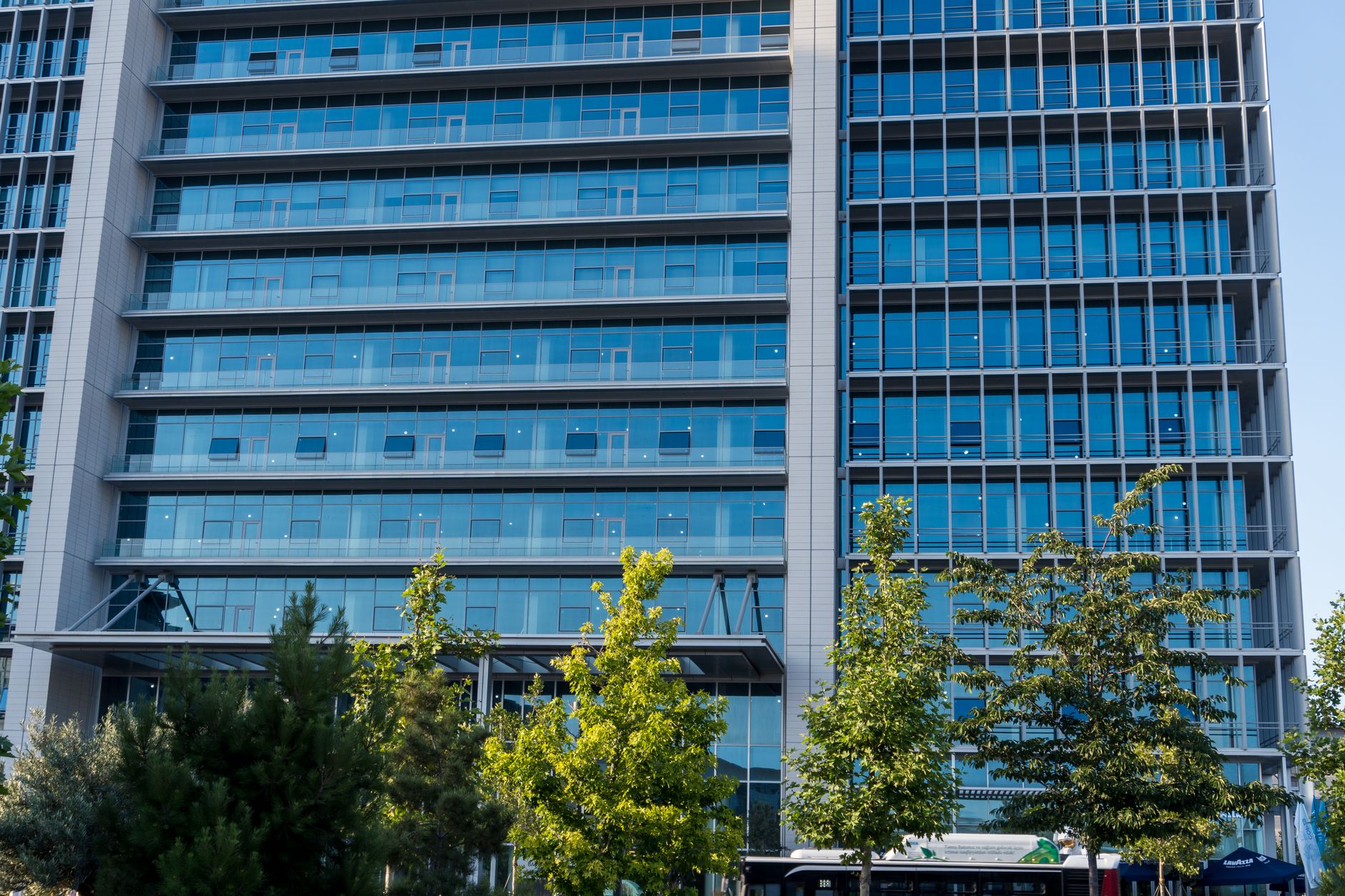
Avenida Brigadeiro Faria Lima and its immediate surroundings represent the apex of Sao Paulo’s office market. AAA-class towers here command rents in the range of R$250 to R$350 per square meter per month, with some trophy assets exceeding that range for top-floor suites with panoramic views. The submarket is characterized by modern high-rise towers with floor plates of 800 to 2,000 square meters, advanced building management systems, LEED or AQUA green certifications, and direct access to the Faria Lima metro station.
Major developments along Faria Lima include the Torre Faria Lima (managed by Brookfield Properties), buildings within the Complexo JK, and a pipeline of new towers from Cyrela Commercial Properties targeting completion between 2025 and 2027. Vacancies in the Faria Lima submarket have historically run below the city average, reflecting the premium placed on the address by financial services firms, law firms, and technology companies that need to signal quality to clients and recruits.
For businesses evaluating costs in Faria Lima, fit-out expenses on top of base rent are significant. A full fit-out of AAA-class raw space in the submarket typically runs R$2,500 to R$4,500 per square meter in construction and furniture costs. Most landlords offer rent-free fit-out periods of three to six months on multi-year leases to offset this burden.
Avenida Paulista: Historic Prestige at More Accessible Rates
Paulista remains one of the most recognizable business addresses in Brazil, though it has ceded the top-of-market position to Faria Lima over the past two decades. Office rents on and immediately around Paulista range from R$150 to R$220 per square meter per month for A-class space, with older B-class buildings available from R$80 to R$130. The street stretches 2.8 kilometers and is served by two metro lines, making it one of the most accessible submarkets in the city from a workforce commuting perspective.
Paulista is particularly attractive for professional services businesses (consulting, accounting, legal), healthcare providers, educational institutions, and media companies that want a prestigious address without Faria Lima pricing. The submarket also features strong retail density at street level, which benefits businesses with walk-in client traffic. Several major buildings on Paulista have recently undergone significant renovations to upgrade their technological infrastructure and common areas, improving their competitive position against newer stock.
Vila Olimpia: Technology and Creative Industries Hub
Vila Olimpia sits immediately south of Faria Lima and has developed a distinct identity as the preferred location for technology companies, advertising agencies, and startup-scale businesses. Rents for quality space range from R$180 to R$260 per square meter per month for newer buildings, though the submarket includes significant variation based on building quality and specific street location.
The district is home to the Brazilian offices of Google, Uber, Spotify, and dozens of regional technology firms. This concentration has created a dense network of cafes, restaurants, and lifestyle amenities that serve the predominantly young professional workforce. Buildings in Vila Olimpia tend to favor open-plan configurations and collaborative spaces over traditional cellular office layouts, reflecting the preferences of their tenant base.
For businesses in the technology, marketing, and creative sectors, Vila Olimpia offers a talent acquisition advantage: the district’s reputation as a tech hub makes it easier to attract candidates who want to work in an environment that reflects the culture of innovative companies. The neighborhood also connects directly to the investment activity concentrated in adjacent Faria Lima, which is explored in depth in our guide to investment incentives in Sao Paulo.
Itaim Bibi: Mixed Financial and Lifestyle Submarket
Itaim Bibi bridges the Faria Lima financial district and Vila Olimpia’s tech corridor, and its office market reflects that hybrid character. A-class rents typically run from R$190 to R$270 per square meter per month, though specific streets and building quality drive significant variation. The neighborhood is notably popular with private equity firms, family offices, and boutique financial services providers who want proximity to Faria Lima at slightly lower headline rents.
Itaim Bibi also benefits from one of the densest concentrations of high-end restaurants and corporate entertainment venues in the city, making it a strong choice for client-facing businesses that entertain frequently. Floor plates in Itaim tend to be smaller than Faria Lima towers (500 to 1,200 square meters is typical), which suits firms that want a full floor presence without requiring large contiguous blocks of space.
Berrini Corridor: Value-Oriented AAA Alternatives
The Berrini corridor, extending from Avenida Engenheiro Luis Carlos Berrini toward the Chucri Zaidan axis, was Sao Paulo’s first modern office district. While newer submarkets have captured the top rents, Berrini still houses significant corporate tenants and offers AAA-class product at rents that run 10 to 20 percent below comparable Faria Lima space. Rates in well-positioned Berrini buildings typically fall in the R$200 to R$290 range for AAA product.
Major multinational corporations that established their Brazilian headquarters in Berrini in the 1990s and 2000s continue to occupy significant space here, and several buildings have been substantially renovated to maintain competitive specifications. The submarket is well connected by metro (Berrini and Cidade Jardim stations) and is a strong choice for businesses that need large contiguous floor plates at competitive costs.
Major Developers and Landlords
Understanding the major players in Sao Paulo’s commercial real estate market helps businesses negotiate from an informed position and identify upcoming supply before it is formally marketed.
Cyrela Commercial Properties (CCP) is the largest dedicated commercial developer in Brazil. Their portfolio includes towers across Faria Lima, Paulista, Berrini, and several interior Sao Paulo markets. CCP is known for design quality and has delivered several of the city’s most recognized corporate addresses. Their pipeline visibility is strong, with projects typically announced 24 to 36 months before completion.
Brookfield Properties manages a significant portfolio of institutional-quality office and mixed-use assets across Sao Paulo. Their presence in the Faria Lima and Berrini corridors includes several trophy assets, and their institutional ownership structure means lease negotiations are typically professional and contract terms are reliable. Brookfield has been active in repositioning older assets through capital improvement programs.
CBRE operates as both a developer partner and the city’s dominant commercial real estate services firm. For tenants, CBRE’s tenant representation practice is widely used for market surveys, lease negotiations, and fit-out project management. For landlords, CBRE manages and leases a substantial portion of the city’s top-tier inventory. Engaging CBRE as a tenant representative costs nothing to the tenant (fees are paid by landlords) and significantly improves access to off-market availability.
AAA vs. A-Class: What the Distinction Means Practically
In the Sao Paulo market, AAA-class buildings are defined by a combination of factors: construction age (typically less than 15 years), floor plate efficiency above 85 percent, ceiling heights above 2.7 meters, raised access flooring, redundant power and cooling systems, LEED or AQUA certification, and 24-hour security with access control. AAA buildings command premium rents and attract the highest-quality tenants, which creates a self-reinforcing quality signal for building occupants.
A-class buildings meet most of these criteria but may fall short on one or two dimensions (older construction, lower floor efficiency, or no green certification). They typically offer 15 to 25 percent rent discounts to AAA product in the same submarket. For many businesses, the practical working experience in an A-class building is indistinguishable from AAA, making the cost savings attractive without meaningful quality compromise.
B-class and C-class stock exists throughout the city at significantly lower rents but comes with meaningfully higher management risk, technology infrastructure limitations, and reputational implications that should be weighed against cost savings for client-facing businesses. For back-office and support functions, B-class buildings in accessible locations can represent strong value.
For businesses still in the setup phase, reviewing the best business lawyers in Sao Paulo before signing commercial leases is advisable, as Brazilian commercial lease law (Lei do Inquilinato) includes specific provisions around renewal rights, non-disturbance agreements, and early termination penalties that require careful legal review.
Market Outlook
Sao Paulo’s commercial real estate market has shown strong absorption in recent cycles, driven by financial services expansion, technology company growth, and the return of multinational operations that consolidated during the pandemic years. New supply coming online through 2027 in Faria Lima and Berrini will provide tenants with negotiating leverage, particularly for large deals. Businesses with flexibility on timing should monitor new completions closely, as landlords on newly completed buildings often offer the most aggressive economic terms during the initial lease-up period.
Whether you are securing your first Sao Paulo office or evaluating a market upgrade, the combination of strong submarket fundamentals and active competition among landlords makes this an informed tenant’s market. Take the time to understand the full cost picture before committing to any specific building or submarket.
Looking for more resources on building a successful operation in Brazil’s business capital? Join Hustler’s Library free for in-depth city guides, real estate frameworks, and founder playbooks from entrepreneurs who have done it before you.
For a full overview of doing business in São Paulo, see our complete guide to doing business in São Paulo.
Ready to Know Where You Stand?
The Business Journey dashboard maps your exact position across all 13 stages. Track your progress, unlock resources for each step, and build with a framework used by thousands of founders at Hustler's Library.

No credit card required · Takes 3 minutes · Personalized to your stage