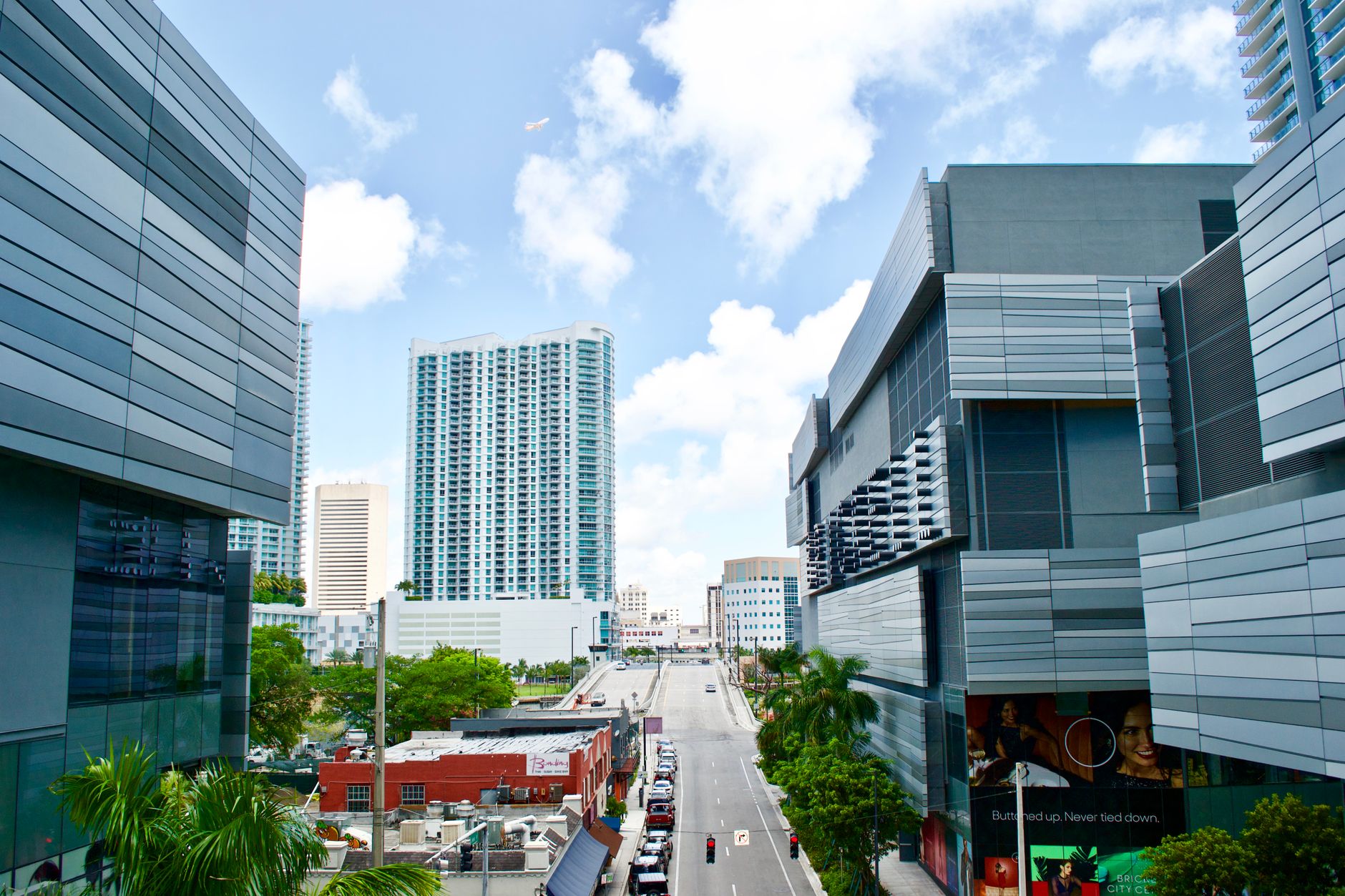
Miami isn’t just known for its beaches, nightlife, and Latin flavor. It’s one of the most active commercial real estate markets in the United States, and if you’re an entrepreneur or investor looking to plant a flag in South Florida, understanding how this market works is the first step toward making a smart move.
Whether you’re searching for office space to house your growing team, a retail storefront in a high-traffic neighborhood, or a warehouse to support your logistics operation, commercial real estate in Miami offers opportunities across every asset class. This guide breaks down what you need to know before you sign a lease or write a check.
Why Miami Stands Out
Miami has been on a decade-long run of economic expansion. Several major forces are driving demand for commercial space:
- Tax advantages: Florida has no state income tax, which makes it attractive for businesses relocating from high-tax states like New York and California.
- Population growth: Miami-Dade County has seen consistent in-migration from both domestic and international sources, fueling demand for retail, office, and industrial space.
- International gateway: PortMiami and Miami International Airport make the city a logistics hub for Latin American trade routes.
- Tech and finance migration: Firms in fintech, private equity, crypto, and professional services have moved headquarters or opened satellite offices in Brickell, Wynwood, and Coral Gables.
These forces combine to create a competitive market with rising rents and limited vacancy in the most desirable corridors.
Key Commercial Districts in Miami
Brickell
Brickell is Miami’s financial district and one of the densest urban neighborhoods in the Southeast. Class A office towers line Brickell Avenue, and rents reflect the prestige. This is the address for law firms, financial advisors, private equity shops, and multinational corporations. Expect to pay a premium, but you’re also getting proximity to decision-makers and deal flow.
Downtown Miami and the Central Business District
Downtown Miami has been transforming rapidly. Older office stock has been converted to mixed-use residential and hospitality, while newer developments like Miami Worldcenter are bringing Class A retail and commercial space to the core. Transit access via the Metromover and Brightline rail station makes it one of the most accessible locations in the region.
Wynwood and Midtown
Wynwood has evolved from an arts district into a commercial hub for creative agencies, tech startups, and direct-to-consumer brands. Warehouse-to-office conversions are common, and the area attracts tenants who want an edgy, visible location without the sticker shock of Brickell. Retail foot traffic is strong on weekends, making it viable for experiential brands.
Coral Gables
Coral Gables is Miami’s corporate suburb. Major law firms, consulting practices, and Latin American regional headquarters call this tree-lined city home. Rents are slightly below Brickell, and the environment is calmer, which suits professional service firms that want to impress clients without a downtown commute.
Doral and Miami Lakes (Industrial/Logistics)
For warehouse and industrial users, Doral is the go-to submarket. Its location near Miami International Airport and key highway interchanges (SR-836, Florida Turnpike) makes it ideal for importers, distributors, and third-party logistics providers. Vacancy rates here are historically low, and new industrial development has struggled to keep pace with demand.
Types of Commercial Real Estate to Consider
Not all commercial property is created equal. Here’s a quick breakdown of asset types relevant to business owners:
- Office space: Ranges from single-room executive suites to full-floor corporate headquarters. Coworking options like WeWork and Spaces are available throughout Brickell and Wynwood for businesses not ready to commit to a long-term lease.
- Retail space: Street-level retail in high-traffic corridors like Lincoln Road (Miami Beach), Miracle Mile (Coral Gables), and Coconut Grove can generate strong walk-in traffic. Anchor-adjacent strip centers in suburban markets offer more affordable per-square-foot rates.
- Industrial and warehouse: In heavy demand across South Florida. If you’re in e-commerce, logistics, or distribution, expect to compete for space and pay close to asking price.
- Mixed-use: Many newer Miami developments blend retail at street level with office or residential above. These can offer visibility and flexibility for businesses that benefit from live-work-play environments.
What to Know Before You Lease
Commercial leases are far more complex than residential ones, and the terms are negotiable in ways most first-time tenants don’t realize. A few things to watch for:
Net vs. Gross Leases
A gross lease means you pay a flat rent and the landlord covers most operating costs. A net lease (triple net or NNN is common in retail) means you pay base rent plus your share of property taxes, insurance, and common area maintenance. Always calculate your total occupancy cost, not just the headline rent number.
Tenant Improvement Allowance
In competitive markets, landlords sometimes offer tenant improvement (TI) allowances to help you build out the space to your needs. This is money the landlord contributes toward your renovation. Negotiate hard for this in Miami’s market, especially for longer lease terms (5+ years).
Lease Term and Renewal Options
Miami’s market has seen significant rent increases. If you find a good location at a fair rate, securing a longer lease with renewal options protects you from getting priced out. Make sure renewal options include a cap on rent increases, or at minimum, define the mechanism for calculating the new rate.
Personal Guarantees
Landlords often require a personal guarantee on commercial leases, especially for newer businesses without established credit history. If possible, negotiate to limit the personal guarantee to 12-18 months of rent rather than the full lease term. If your business is structured as an LLC or corporation, understand that signing personally pierces the liability protection your business structure provides.
For help structuring your business correctly before signing a lease, see our guide on Florida LLC vs. S-Corp: Which Is Right for Your Business.
Financing Commercial Real Estate in Miami
If you’re buying rather than leasing, you’ll need financing. Options include:
- Conventional commercial mortgage: Typically requires 20-30% down, strong business financials, and a personal credit score above 680. Terms usually run 5-25 years with amortization up to 25-30 years.
- SBA 504 loan: The SBA 504 program is specifically designed for owner-occupied commercial real estate. It allows you to put as little as 10% down and access long-term fixed-rate financing. Eligible businesses must be for-profit and meet SBA size standards.
- SBA 7(a) loan: More flexible than the 504 but may carry higher rates. Useful if you need working capital alongside real estate financing.
- Hard money and bridge loans: Short-term options used when speed matters more than rate. Common in competitive acquisition scenarios, but expensive. Have an exit strategy before using them.
Understanding your funding options before you start shopping puts you in a much stronger negotiating position. Read our overview of Florida small business grants and funding for additional capital resources specific to the state.
Opportunity Zones and Tax Incentives
Miami-Dade County contains several federally designated Opportunity Zones, which allow investors to defer or reduce capital gains taxes when they invest in qualifying properties and businesses within those zones. If you’re acquiring commercial real estate as an investment and plan to hold for 10+ years, Opportunity Zone status can meaningfully improve your after-tax return. Florida also offers additional incentives for businesses that create jobs in designated enterprise zones.
For a full breakdown of how Florida’s Opportunity Zones work, see our guide to Florida Opportunity Zones.
Working With a Commercial Broker
Unlike residential real estate, commercial transactions almost always involve brokers on both sides. As a tenant or buyer, engaging a tenant-rep broker costs you nothing because the landlord’s commission covers both sides. A good tenant-rep broker will:
- Identify spaces you wouldn’t find on public listings
- Provide market comps so you know if asking rents are fair
- Negotiate lease terms on your behalf
- Help you understand zoning restrictions and permitted uses
- Coordinate due diligence and inspections
Interview at least two or three brokers before committing. Ask specifically about their experience in the submarket and asset type you’re targeting. A retail specialist may not be the best person to help you find industrial space in Doral.
Final Thoughts
Commercial real estate in Miami is dynamic, competitive, and full of opportunity for the business owner who does their homework. Whether you’re leasing your first office, expanding into a flagship retail location, or acquiring an investment property, the fundamentals are the same: know your market, understand your costs, protect your interests in the lease, and build your financial foundation before you shop.
Miami rewards prepared entrepreneurs. Get your business structure, credit profile, and financing in place before you step into negotiations, and you’ll be in a far stronger position than the operators who wing it.
Ready to build the business that earns that Miami office? Join thousands of entrepreneurs who use Hustler’s Library to grow smarter. Join free today and get access to our full library of business guides, tools, and resources.
Ready to Know Where You Stand?
The Business Journey dashboard maps your exact position across all 13 stages. Track your progress, unlock resources for each step, and build with a framework used by thousands of founders at Hustler's Library.

No credit card required · Takes 3 minutes · Personalized to your stage