If you’re running a business that requires regular travel, you’ve already figured out that airports are a second office. The question isn’t whether to travel — it’s how to do it without letting it drain you, distract you, or eat your budget alive.
These are the habits and systems that frequent business travelers build over time. Skip the learning curve.
Get TSA PreCheck or Global Entry — Today
If you’re flying more than six times a year and you don’t have TSA PreCheck, you’re paying for it in time and stress every single trip. The application takes 20 minutes. The interview takes another 10. The $78 fee covers five years. Do the math.
Global Entry includes PreCheck and adds expedited re-entry for international travel. If you have any international trips on the horizon, it’s the obvious choice. Many premium business credit cards reimburse the fee entirely as a cardholder benefit.
Build a Go Bag That Never Gets Unpacked
The single biggest time drain for frequent business travelers is packing and repacking the same things every trip. The fix is a dedicated travel kit that stays stocked and ready: chargers, adapters, toiletries in travel sizes, a backup battery, earbuds, and a sleep kit if you’re doing red-eyes.
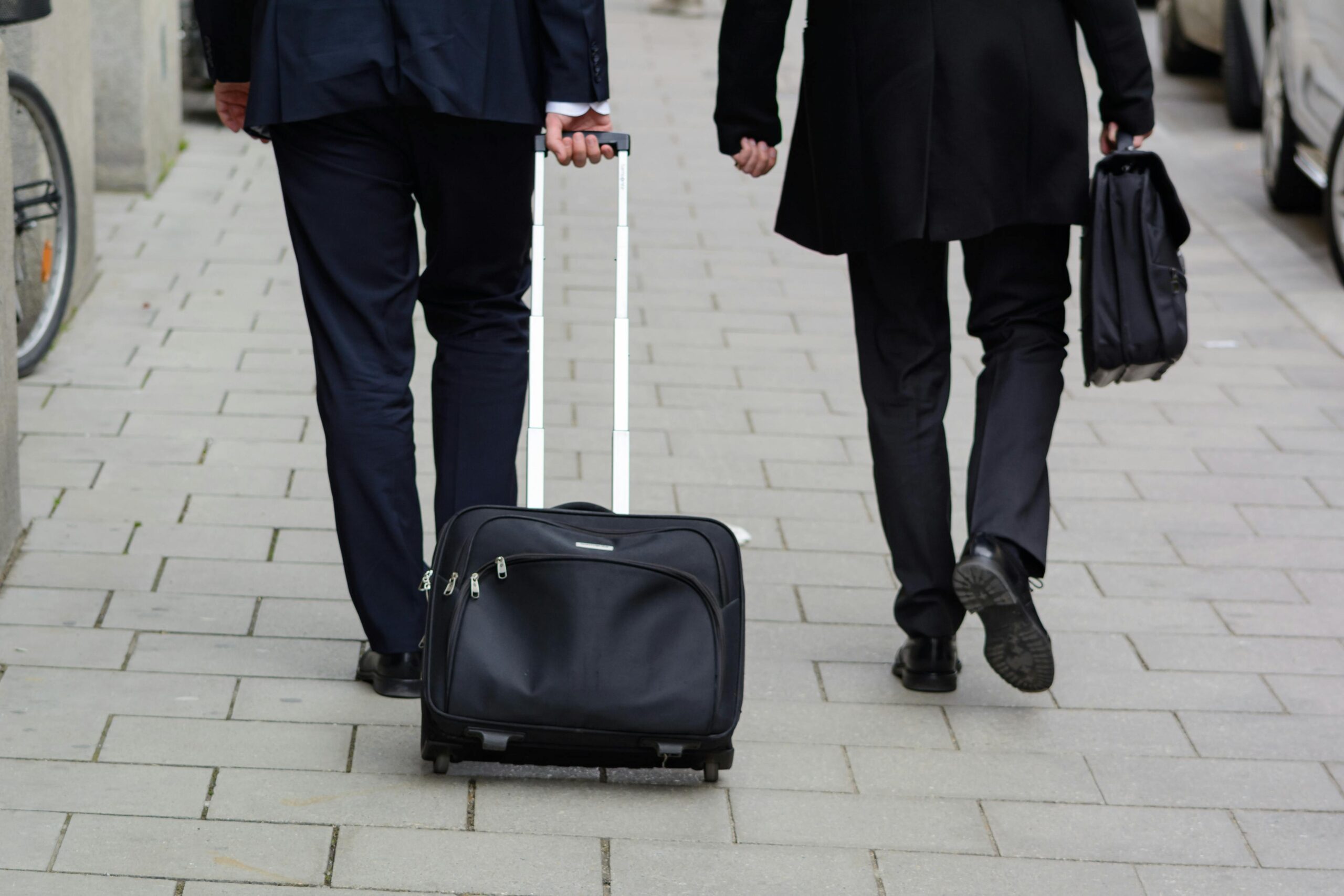
Keep it in a bag that fits under the seat in front of you. Add a carry-on with enough clothes for three to four days. If you’re checking bags on a business trip, something has gone wrong with the packing strategy.
Pick Your Flights Like a Pro
Direct flights first, always. The connection that saves you $80 and costs you a missed meeting or a night in an airport hotel is not a good trade. Price the total cost of the trip, not just the fare.
When you need to compare options quickly, SearchMyFlights is a useful tool for pulling fares across multiple carriers without the noise of consumer-facing booking platforms. Clean, fast, and practical for when you just need to find the best available option and move on.
Book morning flights when you can. They’re more likely to depart on time, and if something goes wrong, you have the rest of the day to recover. Evening flights compound delays and cost you more recovery time on the far end.
Use Airport Time Productively — or Don’t
The idea that you should always be working in airports is worth questioning. If you have two hours at a gate, deep focused work is rarely possible — the environment is too unpredictable and the interruptions too frequent. Use that time for the low-stakes work: email triage, light reading, catching up on podcasts, or genuinely decompressing before a high-stakes meeting.
Lounge access changes this equation. A quiet lounge with reliable Wi-Fi, food, and a workspace is close enough to a real office to do real work. Priority Pass, airline status, or a premium card that includes lounge access is one of the better investments for anyone flying 10 or more times a year. If you want a full breakdown of which lounges are actually worth your time, our guide to the best airport lounges for business travelers covers the top options by network and how to get access without airline status.
Protect Your Sleep
This is the one that most entrepreneurs undervalue until they show up to an important meeting running on four hours of red-eye sleep and two airport espressos. Sleep is a performance variable, and travel disrupts it systematically. On longer hauls before high-stakes meetings, this is also the conversation worth having about whether a business class seat pays for itself — our breakdown of when upgrading to business class actually makes sense gives you a clear framework for that decision.
A few things that actually work: book the first flight out when possible (less delay risk, more of the day preserved), use a sleep mask and earplugs on overnight flights rather than screens, and if you’re crossing time zones, shift your sleep schedule a day or two before you leave rather than trying to adjust on arrival.
Keep Your Expenses Tight and Clean
Every trip should have a dedicated card, a receipt system, and a clear sense of what the budget is before you leave. The most expensive business trips are the ones where expense tracking is an afterthought — because that’s when the mini-bar, the last-minute upgrades, and the “it’ll be fine” Uber Black start adding up.
Set a per-trip budget. Track against it. Debrief on travel costs quarterly and look for the patterns. Most business travelers have two or three specific categories where they consistently overspend — and once you can see them, they’re easy to fix. For multi-person trips, explore what the best cities for corporate retreats offer in terms of value and logistics.
The Bottom Line
Frequent business travel is a grind, but it’s a manageable one. Build your systems before you need them, protect your energy, book smart, and treat every trip as a logistics problem worth solving well. The entrepreneurs who travel best are the ones who’ve turned it into a repeatable process — not an adventure they figure out fresh every time.
Ready to Know Where You Stand?
The Business Journey dashboard maps your exact position across all 13 stages. Track your progress, unlock resources for each step, and build with a framework used by thousands of founders at Hustler's Library.

No credit card required · Takes 3 minutes · Personalized to your stage