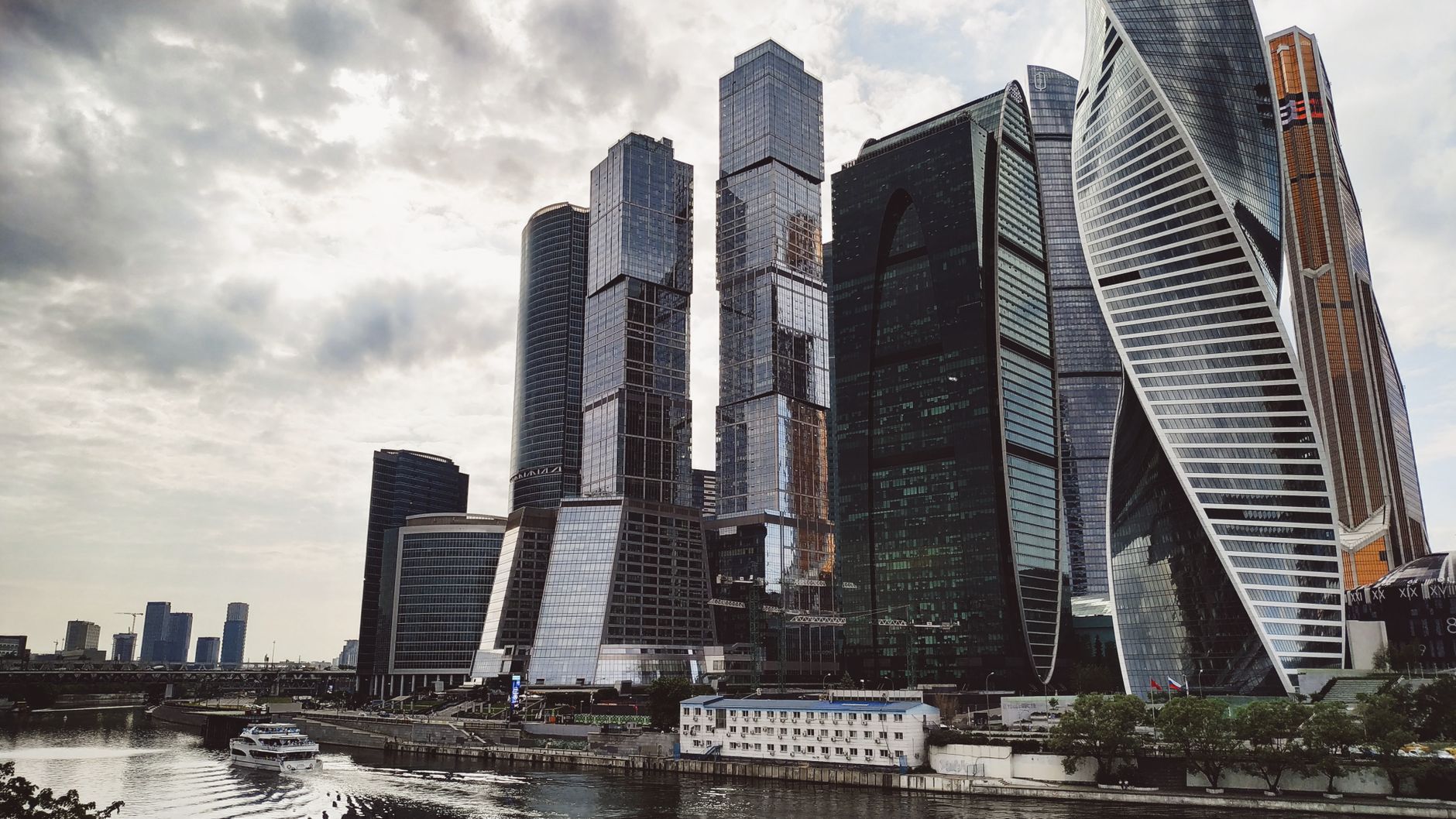
Countries set the rules. Cities set the pace. You can incorporate in Singapore but operate from a city that has none of Singapore’s talent density, capital access, or network infrastructure. Conversely, the right city can provide deal flow, investor access, co-working ecosystems, and customer density that no rural or suburban location can replicate at any price.
This guide ranks the ten best cities in the world for business formation in 2026, based on five factors: company registration speed and cost, effective corporate tax rate, commercial real estate costs, talent pool depth, and the quality of the entrepreneurial ecosystem. See the Hustler’s Library Local Business Guides hub for deep-dive guides on specific cities and markets.
The 10 Best Cities in the World to Start a Business in 2026
1. Singapore
Singapore ranks number one in Asia and consistently sits in the top three globally for business environment quality. Company registration through ACRA takes as little as 15 minutes and costs under SGD 400. Changi Airport, consistently ranked the world’s best, provides unparalleled connectivity to every major Asian market within a seven-hour flight. The corporate tax rate is a flat 17% with no capital gains tax, English is the primary language of government and commerce, and the legal system is among the most reliable in the world. For any business with an Asia-Pacific growth mandate, Singapore is the default city of choice. Read our full Singapore business guide.
2. Dubai
Dubai’s proposition is compelling and straightforward: zero personal income tax, 100% foreign ownership in free zones, world-class infrastructure, and a built-in customer base of 14 million annual tourists plus a high-income resident population. The Dubai International Financial Centre (DIFC) is a top-10 global financial centre by assets under management, and its common-law court system (independent from UAE civil law) provides a familiar legal environment for US and UK entrepreneurs. Company formation in a Dubai free zone can be completed in under a week, and the range of free zones (DMCC for commodities and crypto, Dubai Internet City for tech, DAFZA for aviation and logistics) allows you to select the structure that best fits your sector. See our Dubai doing-business guide for free zone comparisons and setup costs.
3. London
London remains the world’s leading financial centre by most measures: deepest capital markets outside New York, the largest concentration of international law firms, the most active foreign exchange trading market globally, and a talent pool that is unmatched in Europe. Company registration through Companies House is same-day and costs GBP 12 online. The UK’s intellectual property protections are among the world’s strongest, and London’s position at the intersection of US and European business hours makes it the natural coordination point for transatlantic operations. The challenges are real: the full corporate tax rate is 25%, commercial rents in Central London rank among the world’s highest, and post-Brexit immigration has complicated hiring from Europe. London rewards businesses with strong margins; it is not the right base for thin-margin or early-stage businesses that need to conserve capital. Explore our London business guide for cost benchmarks and sector insights.
4. New York City
New York City has a metropolitan GDP of approximately USD 2 trillion, making it the largest city economy in the world. It is the global center of gravity for finance, media, fashion, advertising, and professional services. The depth of capital markets, the density of institutional investors, and the concentration of Fortune 500 headquarters create a business development environment that no other US city can match. The challenges are significant: New York’s regulatory complexity is among the highest in the US, commercial real estate in Manhattan is priced at a global premium, and the combination of federal, state, and city taxes creates one of the highest effective tax burdens for business owners in the country. New York is where you come to raise capital, close enterprise deals, and build brand credibility. It is not where you go to minimize operating costs.
5. Toronto
Toronto is Canada’s financial capital and one of the most multicultural cities on earth, with over 200 languages spoken and a population where more than 50% were born outside Canada. This demographic profile creates a uniquely international talent pool and a natural bridge to virtually every global market. Toronto’s technology ecosystem has grown substantially over the past decade, driven in part by proximity to waterloo’s university research corridor and supportive federal immigration policies that make it easier to hire global talent than in the US. Corporate tax is significantly lower than the US, commercial real estate is expensive relative to other Canadian cities but reasonable compared to New York or London, and political stability is excellent. Our Toronto business guide covers incorporation, hiring, and the provincial business environment in detail.
6. Berlin
Berlin is Europe’s startup capital by deal count and early-stage company formation. The city offers significantly lower operating costs than London, Paris, or Amsterdam, and English is widely spoken across the Berlin business community, making it accessible to non-German-speaking founders. Germany’s position as Europe’s largest economy means that Berlin-based businesses have direct access to the EU’s largest consumer market. The challenges are Germany’s well-documented bureaucracy: company registration takes longer than in the UK or Netherlands, and navigating German commercial law requires local expertise. But for the right business, Berlin’s combination of low cost, talent density, and EU market access is difficult to beat in Europe.
7. Sydney
Sydney is the primary gateway between the Western world and the Asia-Pacific region for businesses based in English-speaking countries. Australia’s transparent legal system, strong IP protections, and stable regulatory environment reduce operational risk for foreign-owned businesses. The city’s quality of life consistently attracts international talent, which matters for businesses that need to recruit globally. Our Sydney business guide covers registration, commercial leasing, and the Australian tax landscape for foreign-owned companies. The main challenge: commercial real estate in the CBD is expensive, and Australia’s geographic distance from both the US and Europe requires intentional time zone management for international operations.
8. Miami
Miami is the fastest-growing business city in the United States and has emerged as a genuine alternative to New York for finance, technology, and Latin American commerce. Florida levies no state income tax on individuals, which directly benefits owner-operators and high-earning employees. The city has become a hub for cryptocurrency and FinTech companies, supported by a local government that has been explicitly pro-business in its positioning. Miami’s Latin American orientation makes it the natural US base for businesses with significant operations or customers in Brazil, Mexico, Colombia, and the broader region. Operating costs are lower than New York, the quality of life is higher, and the business community is younger and more internationally diverse.
9. Tallinn (Estonia)
Tallinn is the world’s most digitally advanced city for business formation. Estonia’s e-Residency program means you can incorporate a Tallinn-registered company from anywhere in the world without ever visiting, and corporate tax on retained profits is 0%. For digital product businesses, SaaS companies, marketplaces, and consultancies that do not require a physical consumer presence, an Estonian company provides EU legitimacy, a real IBAN, and a VAT number, all managed through a fully digital government interface. Tallinn is not the right base for businesses that need physical market presence; it is the ideal structure for location-independent businesses that need a credible EU corporate entity.
10. Austin
Austin has become the fastest-growing major tech hub in the United States over the past five years, driven by major relocations (Tesla, Oracle, Apple expansion) and a flood of talent priced out of San Francisco. Texas levies no state income tax, commercial real estate costs are a fraction of San Francisco or New York, and the SXSW ecosystem creates a unique combination of technology, media, and culture that generates significant deal flow and network opportunities. For US-based entrepreneurs who want tech-ecosystem density without coastal costs, Austin now offers a compelling alternative to the traditional gateway cities.
Global City Comparison Table
| City | Country | Corp Tax Rate | Registration Time | Comm. Rent (approx.) | Talent Index |
|---|---|---|---|---|---|
| Singapore | Singapore | 17% | 15 minutes | USD 8–12/sqft/mo | Excellent |
| Dubai | UAE | 0–9% | 1–5 days | USD 4–10/sqft/mo | Very Good |
| London | UK | 19–25% | Same day | USD 12–20/sqft/mo | Excellent |
| New York City | USA | 21% federal | 1–5 days | USD 10–25/sqft/mo | Excellent |
| Toronto | Canada | 15–26.5% | 1–5 days | USD 5–10/sqft/mo | Very Good |
| Berlin | Germany | ~30% combined | 1–4 weeks | USD 4–8/sqft/mo | Good |
| Sydney | Australia | 25–30% | Same day | USD 8–14/sqft/mo | Very Good |
| Miami | USA | 21% federal | 1–5 days | USD 5–10/sqft/mo | Good |
| Tallinn | Estonia | 0% retained | 1–3 hours (online) | USD 2–5/sqft/mo | Moderate |
| Austin | USA | 21% federal | 1–5 days | USD 3–7/sqft/mo | Very Good |
Hustler’s Library Recommendation
City selection should follow business model, not lifestyle preference. Here is how to apply the data above:
- Best overall city for international business formation: Singapore. The combination of registration speed, tax efficiency, legal quality, and Asia-Pacific gateway value is unmatched globally.
- Best for US entrepreneurs making their first international move: Dubai or Toronto. Dubai offers the most tax-efficient structure; Toronto offers the most culturally familiar operating environment with lower cost than US gateway cities.
- Best cities in the US: Austin (tech/growth companies) or Miami (finance, FinTech, Latin America focus). Both offer no state income tax, lower costs than coastal alternatives, and strong ecosystem density.
- Best for purely digital/online businesses: Tallinn (e-Residency, 0% retained profits tax, EU legitimacy with no relocation required).
- Best for capital raising: London (deepest European capital markets) or New York (deepest global capital markets).
Browse our full local business guides library for in-depth, city-specific guidance on registration, banking, hiring, commercial real estate, and operating as a foreign entrepreneur in each market.
Access expert guides, market entry frameworks, and a network of founders at Hustler’s Library — join free.
Ready to Know Where You Stand?
The Business Journey dashboard maps your exact position across all 13 stages. Track your progress, unlock resources for each step, and build with a framework used by thousands of founders at Hustler's Library.

No credit card required · Takes 3 minutes · Personalized to your stage