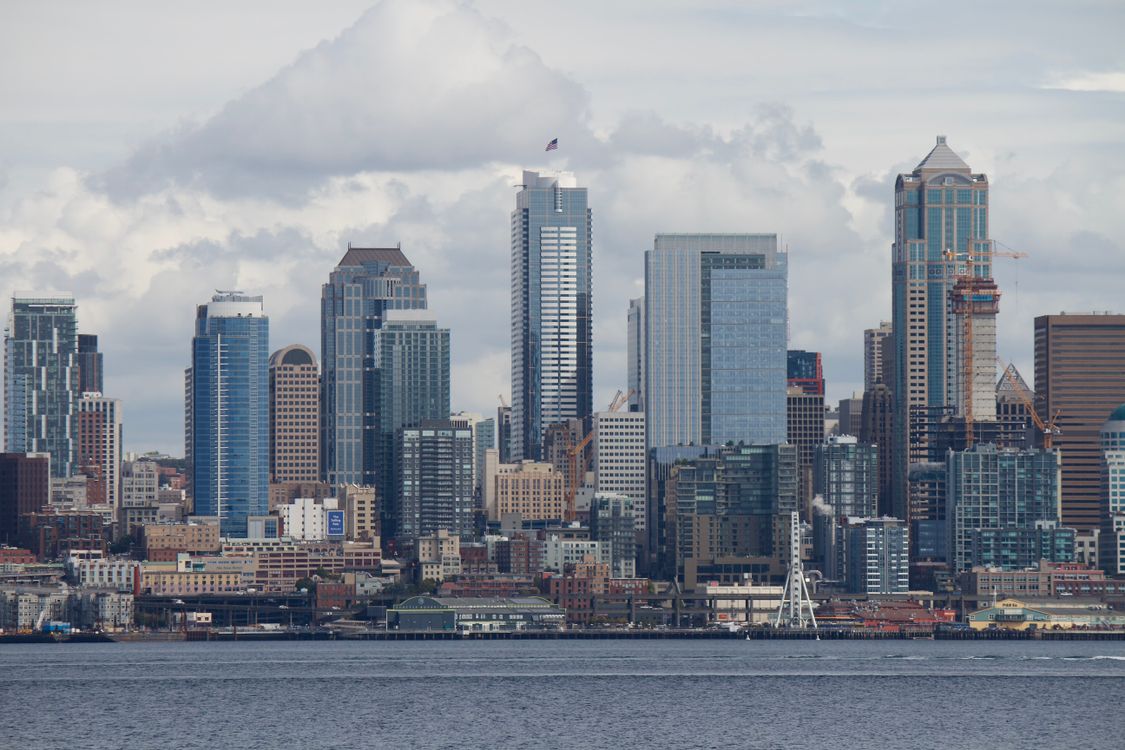
Seattle is a genuinely world-class business city with a culture, pace, and set of expectations that rewards those who have done their homework. Whether you are pitching to a South Lake Union tech company, meeting with an aerospace contractor near Boeing Field, or building a creative partnership in Capitol Hill, these 10 preparation steps will make sure you show up to Seattle ready to operate at your best.
Use this checklist alongside the complete Seattle business guide and make sure your bags are packed correctly with the Seattle entrepreneur’s packing list.
The 10-Step Seattle Business Trip Prep Checklist
1. Take the Link Light Rail From Sea-Tac to Downtown
Seattle-Tacoma International Airport is well connected to downtown via the Sound Transit Link Light Rail. The 1 Line runs from Sea-Tac Airport directly into downtown Seattle, with stops at Westlake Center, Capitol Hill, and the University District. The ride takes approximately 40 minutes and costs around $3 each way. Download the One Region app or load an ORCA card before you arrive to skip the ticket machine line. Compared to a $45 to $65 rideshare from the airport during peak hours, the light rail is a clear win for budget-conscious entrepreneurs.
2. Book Your Hotel in the Right Neighborhood
Seattle’s business geography maps closely to industry clusters. South Lake Union is Amazon’s backyard and the epicenter of Seattle’s tech scene: staying here puts you within walking distance of most major tech company offices and a dense network of co-working spaces, tech-focused restaurants, and startup meeting spots. Belltown sits adjacent to South Lake Union and offers strong hotel options with easy access to both tech and financial district meetings. Capitol Hill is Seattle’s creative and cultural hub, preferred by agencies, media companies, and founders in consumer tech. Choose your base based on where most of your meetings are concentrated.
3. Understand Seattle’s Tech-Casual Dress Code
Seattle’s dominant tech culture has established a business dress norm that surprises many first-time visitors: it is extremely casual. Amazon employees commonly wear jeans, hoodies, and clean sneakers to internal meetings and external partner conversations. Microsoft and the broader Eastside tech corridor operate similarly. If you are meeting with a tech company, do not show up in a full suit unless you are specifically told the occasion is formal. Smart casual (dark jeans, a clean button-down or quality polo, nice shoes) is the correct register for most Seattle tech meetings. Save formal wear for law firms, banks, and established commercial real estate meetings.
4. Take Seattle’s Coffee Culture Seriously
Seattle invented the modern American coffee culture with Starbucks, but the city has long since moved into deep third-wave coffee territory. Independent roasters like Victrola, Lighthouse, and Stumptown (Portland-founded but beloved here) set the standard. Business meetings over coffee are extremely common, and knowing the difference between a good coffee shop and a bad one is genuinely useful local knowledge. Do not suggest Starbucks for a coffee meeting with a Seattle native unless you want to signal that you have not spent time in the city. Scout a quality independent shop near your meeting location and make the invitation there instead.
5. Research Your Contacts in Depth
Seattle’s business community, particularly in tech, values intellectual depth and directness. Decision-makers at Amazon, Microsoft, Expedia, and the broader startup ecosystem have heard every generic pitch. What cuts through is specific, well-researched knowledge of their business, their challenges, and how your work addresses something real. Review LinkedIn profiles, recent news coverage, and any public statements or presentations your contacts have made. Arrive with specific, informed questions rather than broad introductions. Seattle tech culture rewards the person who did the reading.
6. Check the Weather and Pack Waterproof Gear
Seattle’s weather is mild but persistently wet from October through April. The rain is usually light and steady rather than dramatic, which makes it easy to underestimate. Check the forecast before you fly, but regardless of what it says, pack a quality waterproof rain jacket and waterproof shoes. Getting soaked on the way to a meeting because you expected the rain to stop is a completely avoidable rookie mistake. Seattle locals carry on normally in the rain without umbrellas; your rain jacket is the standard operating equipment.
7. Get Familiar With the Neighborhoods Where Your Meetings Are
South Lake Union and Belltown are Seattle’s primary tech and commercial hubs. Capitol Hill is the creative district. Pioneer Square is Seattle’s historic neighborhood now home to boutique agencies and design firms. Fremont and Ballard attract independent businesses and consumer startups. The Eastside cities of Bellevue and Redmond (Microsoft’s home) are separate cities across Lake Washington accessible by highway. If your trip includes Eastside meetings, account for the bridge traffic: I-90 and SR-520 can be severely congested during rush hours. Plan a minimum of 30 minutes of buffer for any cross-lake trip.
For more on Seattle’s business districts, read our guide to commercial real estate in Seattle.
8. Download Transit and Rideshare Apps
Seattle has solid public transit for a West Coast city. The Link Light Rail covers the core north-south corridor well. King County Metro buses cover neighborhoods the rail does not. Both Uber and Lyft work reliably throughout the city and Eastside. Download the One Region app for real-time transit tracking and have both rideshare apps active. Seattle rideshare tends to be less surged than comparable cities except during major events at Climate Pledge Arena or T-Mobile Park. Having the Transit app loaded ensures you always have a backup routing option when rideshare is slow.
9. Make Dinner and Networking Reservations Early
Seattle’s restaurant scene has become nationally recognized over the past decade, with strong concentrations in Capitol Hill, South Lake Union, and Belltown. Top spots fill up quickly, particularly Thursday and Friday evenings. If you are entertaining a client, make reservations at least a week out. Seattle’s seafood is world-class: Pike Place Market restaurants and several South Lake Union spots serve Dungeness crab, Alaskan halibut, and Pacific salmon that make genuine impression-building meals. For a more casual networking dinner, South Lake Union’s restaurant row has a dozen solid options within walking distance of the major tech campuses.
10. Allow Extra Time for Seattle Traffic
Seattle has some of the worst traffic in the United States, consistently ranking in the top five most congested cities. The city is hemmed in by Puget Sound to the west and Lake Washington to the east, forcing most traffic through a limited number of corridors. Rush hour runs from roughly 7 to 9:30 AM and 4 to 7 PM. Schedule meetings to avoid these windows when possible. If you cannot avoid them, build at minimum 30 minutes of buffer for any cross-city drive and 20 minutes for any downtown transit. The Visit Seattle official site has current event and transportation information that helps identify days with elevated congestion risk.
Seattle Rewards the Prepared Entrepreneur
Seattle is a serious business city run by serious people who expect you to have done your homework. Show up knowing the culture, the neighborhoods, and the people you are meeting with, and Seattle will deliver some of the most productive and intellectually stimulating business experiences you have had. Show up unprepared, and the city’s subtle social cues will make it clear. Do the prep work and show up ready to engage.
For the full overview of Seattle’s business ecosystem, read the complete Seattle business guide on Hustler’s Library and explore our coverage of how to start a business in Seattle.
Entrepreneurs who prepare win more meetings. Get the insights that keep you sharp. Join Hustler’s Library free and stay ahead of the competition.
Ready to Know Where You Stand?
The Business Journey dashboard maps your exact position across all 13 stages. Track your progress, unlock resources for each step, and build with a framework used by thousands of founders at Hustler's Library.

No credit card required · Takes 3 minutes · Personalized to your stage