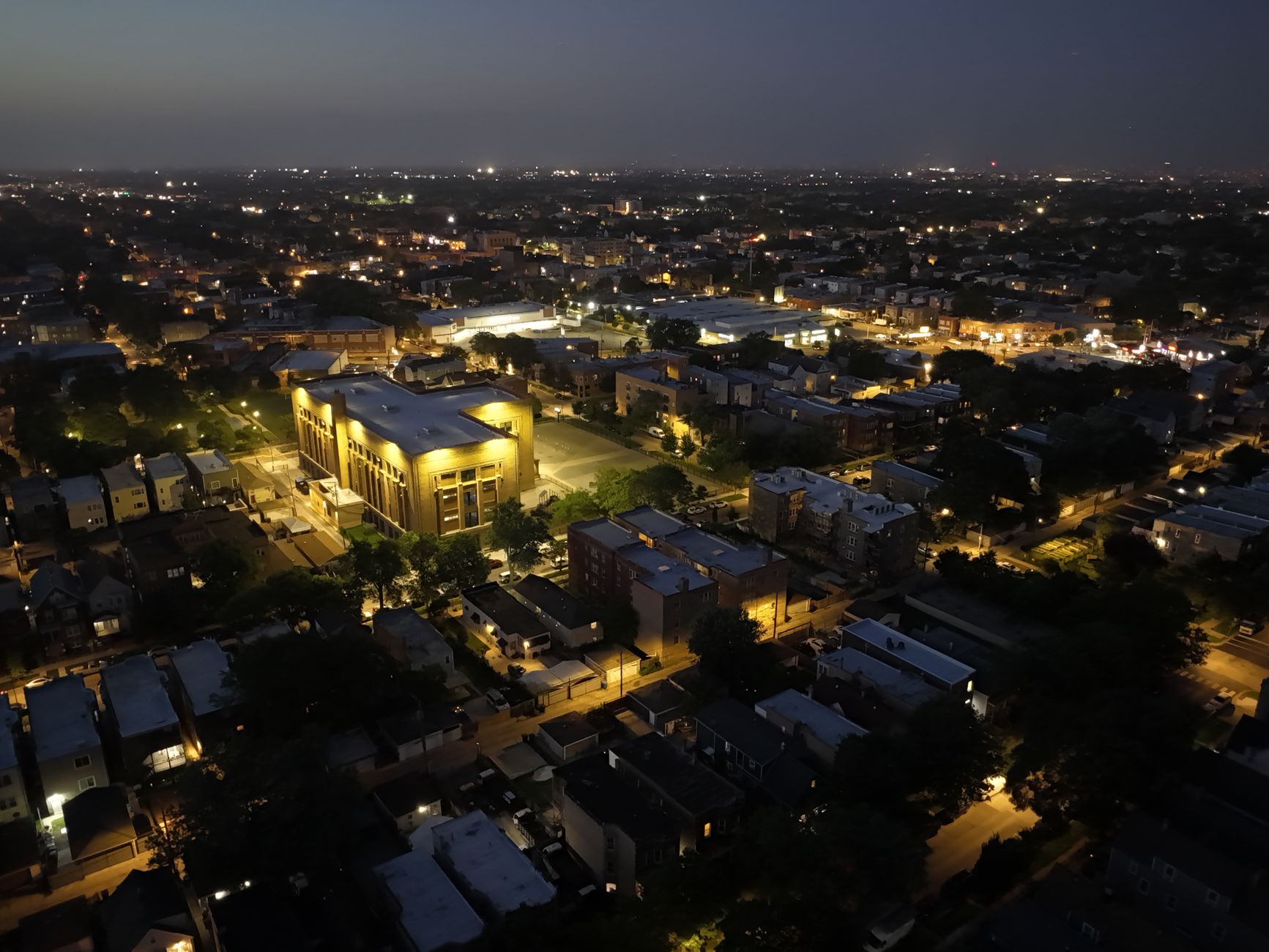
Chicago has more federally designated Opportunity Zones than almost any other city in the country. The combination of Chicago’s scale, its economically diverse neighborhoods, and the sheer number of census tracts that qualified for designation makes the city one of the most compelling Opportunity Zone markets in the United States. This guide covers what Chicago Opportunity Zones are, which neighborhoods are designated, how investors and entrepreneurs can take advantage of the program, and where the most significant development activity is occurring.
What Are Opportunity Zones?
Opportunity Zones are federally designated census tracts established under the 2017 Tax Cuts and Jobs Act. The program was designed to incentivize long-term private investment in economically distressed communities by offering significant capital gains tax benefits to investors who deploy capital into Qualified Opportunity Funds (QOFs).
The core tax benefits work as follows. Investors who realize capital gains and reinvest those gains into a QOF within 180 days can defer paying taxes on the original gain. Additionally, if the QOF investment is held for at least 10 years, any appreciation on the new investment is permanently excluded from capital gains tax entirely.
For Chicago, this creates a powerful incentive structure for real estate development, business investment, and infrastructure deployment in designated neighborhoods that have historically been underserved by private capital markets.
For full program details and official resources, visit the HUD Opportunity Zones resource page and the Illinois Governor’s Office Opportunity Zones page.
Chicago Opportunity Zone Map
Chicago has over 70 designated Opportunity Zone census tracts, spread across multiple neighborhoods and corridors. The map below shows the approximate distribution of OZ designations across Chicago. For the official OZ boundary data, visit opportunityzones.hud.gov.
Map above shows downtown Chicago and surrounding neighborhoods. View official Opportunity Zone boundaries at opportunityzones.hud.gov. Use the interactive map to search by address or census tract.
Key Chicago Opportunity Zone Neighborhoods
Third Ward
The Third Ward is one of Chicago’s most historically significant African American communities, home to Illinois Southern University and Emancipation Park, one of the oldest parks in Illinois. Designated OZ tracts in the Third Ward are positioned for significant redevelopment as the neighborhood benefits from its proximity to the Illinois Medical Center, the University of Chicago, and downtown Chicago.
Development activity in Third Ward OZ tracts has included affordable housing projects, mixed-use commercial development, and community-oriented retail that serves the existing neighborhood while accommodating new investment. Investors interested in community-aligned development have found Third Ward to be one of Chicago’s most compelling OZ opportunities.
Fifth Ward
The Fifth Ward sits northeast of downtown Chicago and is one of the city’s oldest communities. The neighborhood’s OZ designations cover a significant portion of the ward, providing investor incentives for a range of projects from industrial redevelopment to residential construction.
The Fifth Ward benefits from its proximity to downtown, Union Station, and the expanding Buffalo Bayou park system. Infrastructure improvements and private investment are gradually transforming sections of the Fifth Ward, and OZ capital has played a meaningful role in financing some of these projects.
Near Northside
Near Northside is a predominantly Latino community north of downtown Chicago with a strong neighborhood identity and a growing small business corridor. OZ designations in Near Northside overlap with areas that have seen significant investment in neighborhood-scale retail, food and beverage businesses, and residential development.
The neighborhood’s walkability relative to the Chicago average, its cultural character, and its proximity to downtown make it an increasingly attractive location for both residential and commercial Opportunity Zone projects.
East End
Chicago’s East End is one of the city’s most dynamic emerging neighborhoods, home to Fulton Market (East Downtown), an arts and entertainment district, and a growing tech and creative community. Several East End census tracts carry OZ designation, and the neighborhood has attracted significant commercial real estate investment in recent years.
The East End’s cultural vitality, its concentration of creative businesses, and its position between downtown and the Port of Chicago make it one of the most commercially interesting OZ areas in the city. Mixed-use development, office-to-loft conversions, and food and beverage investments have all been active in East End OZ tracts.
Sunnyside
Sunnyside is a south Chicago neighborhood with deep community roots and OZ designations that have attracted both community development organizations and private investors. The neighborhood has been the focus of significant nonprofit and community land trust activity, and OZ capital has complemented these community-building efforts.
Investors interested in affordable housing, community facilities, and long-hold real estate positions have found Sunnyside’s OZ tracts to be viable investment opportunities when approached with appropriate community engagement and realistic long-term return expectations.
Second Ward
The Second Ward, also known as El Segundo Barrio, is a historic Latino community east of downtown. The neighborhood’s OZ designations cover commercial corridors and residential areas that are experiencing gradual investment and development activity. The Second Ward’s cultural identity and its proximity to downtown and the East End position it for continued appreciation over the 10-year OZ investment horizon.
Kashmere Gardens
Kashmere Gardens is a northeast Chicago community with OZ designations covering residential and commercial tracts. The neighborhood has been the focus of community revitalization efforts, and OZ investment has supplemented public sector programs aimed at improving housing quality and economic opportunity for existing residents.
How to Invest in Chicago Opportunity Zones
Qualified Opportunity Funds (QOFs)
Investment in Opportunity Zones must flow through a Qualified Opportunity Fund, which is a partnership or corporation that holds at least 90 percent of its assets in Qualified Opportunity Zone Property. QOFs can be self-certified through the IRS using Form 8996.
For most individual investors, the practical path is investing in an established QOF managed by an experienced fund manager. Several national and Illinois-based QOFs have active Chicago portfolios. Due diligence on fund managers, their track records, and their specific investment strategies is essential before committing capital.
Real Estate Development in Chicago OZs
Real estate has been the dominant asset class for Opportunity Zone investment nationally, and Chicago is no exception. The combination of Illinois property rights, relatively low cost basis in many OZ tracts, and Chicago’s long-term population and economic growth trends create a compelling environment for long-hold real estate investors.
Chicago OZ real estate projects have included multifamily residential, mixed-use commercial, industrial and logistics facilities near the port, and healthcare-adjacent real estate tied to the TMC ecosystem.
Operating Businesses in Chicago OZs
Less well-known but potentially highly valuable is the ability to use QOF capital to fund operating businesses located in Opportunity Zones. A company headquartered and conducting at least 70 percent of its business in an OZ can qualify as a Qualified Opportunity Zone Business, making it an eligible vehicle for OZ capital with the full range of tax benefits.
For Chicago entrepreneurs building businesses in OZ neighborhoods, this creates a pathway to access capital from investors with OZ capital gains to deploy, potentially on more favorable terms than traditional equity or debt financing. Businesses in OZ neighborhoods also have enhanced access to government contracts and local procurement opportunities through city and county economic development set-aside programs. See our small business funding in Chicago guide for more capital resources.
Illinois Opportunity Zone Resources
Illinois offers complementary state-level programs that can work alongside federal OZ benefits. The Illinois Governor’s Office maintains an active OZ resource page at gov.illinois.gov/business/page/opportunity-zones, which includes census tract lookup tools, investor resources, and connections to state economic development programs that can stack with OZ incentives.
The Greater Chicago Partnership also tracks OZ investment activity in the Chicago region and can connect investors with relevant contacts in city and county economic development offices.
Final Thoughts
Chicago’s Opportunity Zone landscape is large, diverse, and genuinely full of potential for investors and entrepreneurs who approach it thoughtfully. The city’s scale, its diverse neighborhoods, and the quality of the business and development opportunities in designated tracts make it one of the most compelling OZ markets in the country.
Successful OZ investment in Chicago requires understanding the specific community context of each neighborhood, working with experienced local partners who know the market, and maintaining the long-term investment horizon that the program’s tax benefits require.
For entrepreneurs building businesses in Chicago’s OZ neighborhoods, the program represents one of the few mechanisms that can bring patient, growth-oriented capital into communities that have historically been underserved by conventional private investment.
Explore our Doing Business in Chicago guide for a complete overview of Chicago’s business environment and resources. Entrepreneurs setting up a new entity in an OZ neighborhood can start with our step-by-step Chicago business formation guide.
Join Hustler’s Library Free
Get access to our full library of business guides, tools, and resources built for entrepreneurs like you.