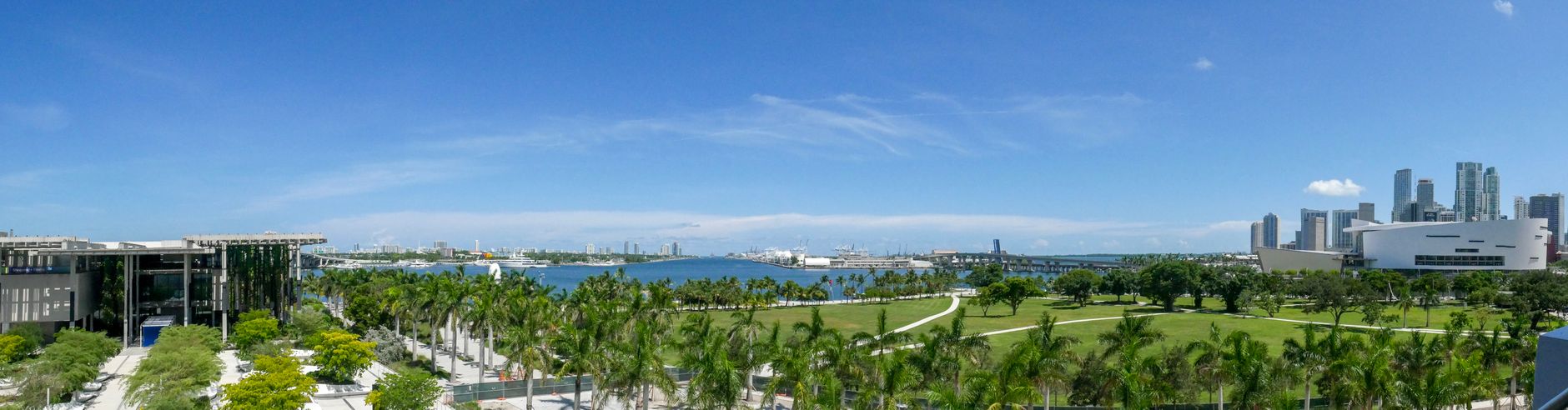
Miami is one of the most dynamic business sale markets in the United States, and one of the most global. With no state income tax, a diverse economy spanning finance, hospitality, trade, real estate, and technology, and a unique position as the gateway to Latin America, Miami attracts buyers from across the country and around the world. If you own a business in Miami-Dade County and are thinking about selling, understanding how to value your business, how Florida’s tax environment affects your proceeds, and how to find the right buyer will determine how well your exit goes. This guide covers everything you need to know.
Why Miami Is a Strong Market for Business Sellers
Miami-Dade’s economy generates consistent M&A activity across multiple sectors. Hospitality and food and beverage businesses with proven revenue attract both local and national buyers. The city’s booming tech and fintech ecosystem has created a wave of strategic acquirers targeting South Florida companies. International buyers — particularly from Latin America, Europe, and the Middle East — are actively acquiring Miami businesses as a way to establish a U.S. presence and access the American market.
Florida’s lack of state income tax is a significant financial advantage for sellers. When you close a business sale in Florida, you pay federal capital gains taxes, but Florida does not impose a state capital gains or income tax on top of that. This is a meaningful difference compared to states like California or New York, and it is a selling point when marketing your business to potential buyers who may be relocating capital from high-tax states.
How to Value Your Miami Business
Most small businesses in Miami are valued using Seller’s Discretionary Earnings (SDE) — your net income plus your owner’s compensation plus any personal or non-recurring expenses run through the business. Larger businesses with EBITDA above $1 million use an EBITDA multiple approach.
SDE Multiples by Sector in Miami-Dade
- Restaurants and food and beverage: 1.5 to 2.5x SDE, with location, lease terms, and brand recognition driving the range
- Hospitality (hotels, short-term rentals): 3 to 5x EBITDA for managed portfolios with occupancy history
- Professional services (law, accounting, consulting): 2 to 4x SDE
- Import/export and freight forwarding: 2.5 to 4x SDE, with premiums for established carrier relationships
- Technology and SaaS businesses: 4 to 8x ARR depending on growth rate and churn
- Retail: 1.5 to 2.5x SDE, dependent on foot traffic and lease economics
Florida’s Tax Advantage for Sellers
Florida imposes no state income tax and no state capital gains tax. A business seller in Miami retains substantially more post-close net proceeds compared to sellers in high-tax states. At the federal level, long-term capital gains rates apply (0%, 15%, or 20% depending on your total income), and the 3.8% net investment income tax may apply if your income exceeds IRS thresholds.
Work with a CPA experienced in Florida business transactions to structure the deal before you accept any offer. The allocation of purchase price between goodwill, equipment, inventory, and covenants not to compete affects how different portions of your gain are taxed at the federal level. A well-structured deal can meaningfully reduce your effective tax rate on the sale.
Preparing Your Miami Business for Sale
Get Your Financials Clean
Provide at least three years of profit and loss statements, balance sheets, and federal tax returns. If your bookkeeping has been informal, have a CPA reconstruct and normalize your records before going to market. International buyers in particular are accustomed to institutional-quality financial documentation and will walk away from messy books quickly.
Document Your Systems and Reduce Owner Dependence
A Miami business that requires the owner’s personal relationships, bilingual skills, or industry connections to operate is harder to sell and commands a lower multiple. Document your operating procedures, customer acquisition process, and key supplier relationships so that a new owner can step in and run the business independently within 60 to 90 days.
Review Your Lease and Contracts
Check that your commercial lease allows assignment to a new buyer. Miami’s most desirable retail and restaurant corridors — Brickell, Wynwood, South Beach, Coral Gables — have leases with strict assignment clauses. Identify this issue early and initiate landlord conversations before the buyer shows up.
Finding Buyers: Local, National, and International
Miami’s buyer pool is uniquely global. In addition to local and domestic acquirers, Miami businesses regularly attract:
- Latin American investors: Buyers from Brazil, Colombia, Venezuela, Argentina, and Mexico frequently acquire Miami businesses as a first U.S. market entry or as a capital diversification strategy.
- European and Middle Eastern capital: Miami’s international profile attracts institutional and family office capital from outside the Americas.
- EB-5 visa investors: Foreign nationals seeking U.S. green cards through business investment are an active buyer segment in Miami’s market.
List your business on BizBuySell and BizQuest for domestic reach. For international buyers, work with a Miami business broker who has established relationships with the Latin American investor community. To get your entity and pre-sale documentation in order, LegalZoom provides affordable business legal services for small business owners.
Review what the SBA recommends for business sales and explore the business traveler’s guide to Miami for context on the local economy. The top cities for corporate retreats guide gives insight into how Miami competes nationally for business attention.
The Due Diligence and Closing Process
After signing a letter of intent, the buyer will conduct 30 to 60 days of due diligence. They will review financials, customer contracts, lease terms, employee agreements, equipment condition, and any pending legal or regulatory issues. Be organized and responsive. Deals that lose momentum during due diligence often collapse or renegotiate to a lower price.
Florida business closings require a purchase agreement, bill of sale, non-compete agreement, and Florida bulk sale notice if inventory is being transferred. Work with a Florida business attorney to navigate the documentation and protect your interests through close.
Exit on Your Terms
Miami rewards well-prepared sellers. The market is large, the buyer pool is global, and Florida’s tax environment puts more money in your pocket on the back end. Start preparing 12 to 18 months before your target exit date, get your documentation tight, and approach the market with confidence.
Join Hustler’s Library free for exit strategy guides, valuation tools, and a community of business owners building and exiting across Florida and beyond.