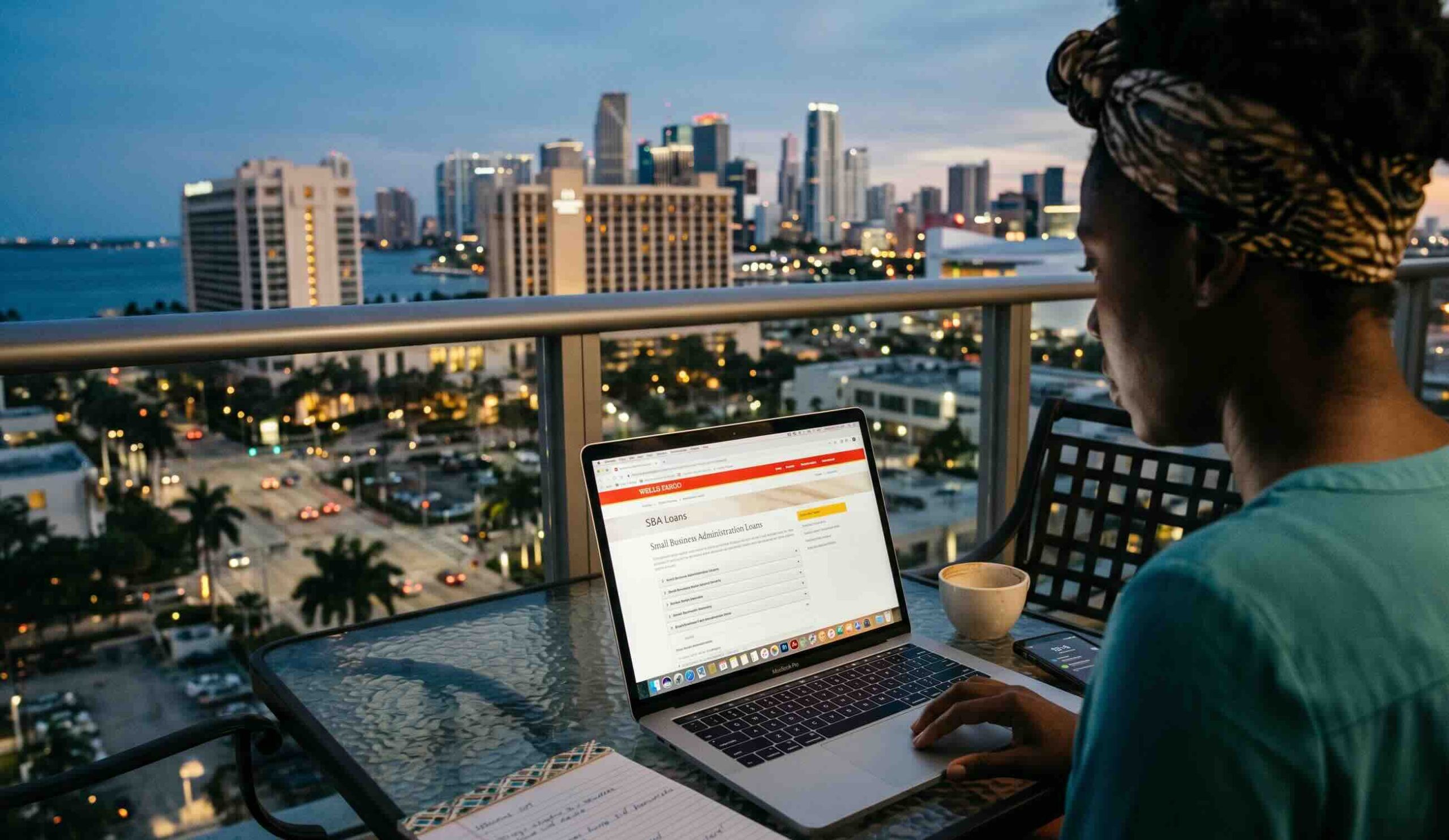
Finding the best SBA lenders in 2026 is one of the most important decisions a small business owner can make. SBA loans offer some of the lowest interest rates and longest repayment terms available to small businesses, but not every bank is equally willing to approve applications. This guide breaks down which lenders actually fund small businesses, what approval rates look like, and how to position your application for success.
What Is an SBA Loan and Why Does the Lender Matter?
SBA loans are not issued directly by the U.S. Small Business Administration; instead, the SBA guarantees a portion of the loan (typically 75-85%) so that approved lenders take on less risk. That guarantee is what makes these loans attractive to banks. However, it also means each participating lender sets its own underwriting standards on top of the SBA’s minimum requirements.
The result: two borrowers with identical credit profiles can get very different outcomes depending on which bank they approach. Choosing the right SBA lender is just as important as cleaning up your credit score or preparing your financials.
Best SBA Lenders for Small Businesses in 2026
1. Live Oak Bank
Live Oak Bank consistently ranks as the top SBA 7(a) lender by dollar volume. It specializes in industry-specific lending, covering sectors like veterinary practices, funeral homes, dental offices, and breweries. If your business fits one of their verticals, Live Oak is often the fastest path to approval. Loan amounts range from $150,000 to $5 million.
2. Huntington National Bank
Huntington is routinely the top SBA lender by loan count, meaning it approves more individual loans than nearly any other institution. It prioritizes Main Street businesses including restaurants, retail shops, and service providers. Its SBA Express program can deliver approvals in as few as 36 hours for loans up to $500,000.
3. Wells Fargo
Wells Fargo maintains a significant SBA presence and is particularly strong for established businesses seeking larger loan amounts. The bank offers both SBA 7(a) and SBA 504 loans. Borrowers should expect stricter documentation requirements and a longer underwriting timeline compared to smaller lenders, but Wells Fargo’s nationwide branch network makes it accessible for in-person applicants.
4. Celtic Bank
Celtic Bank is a go-to lender for businesses that struggle to qualify through traditional banks. It works heavily with SBA loan brokers and third-party platforms. Celtic is one of the most active lenders on platforms like SmartBiz, making it accessible to business owners who prefer an online application process.
5. Newtek Small Business Finance
Newtek focuses exclusively on small business lending and offers both SBA 7(a) loans and term loans. Its niche is businesses that need a lender who understands self-employed income, non-traditional business models, and borrowers with some credit complexity. Newtek is slower on approvals but more flexible in its underwriting criteria.
SBA 7(a) vs SBA 504: Which Program Is Right for You?
The SBA 7(a) program is the most common. It covers working capital, equipment, real estate, and business acquisitions. Loan amounts go up to $5 million with repayment terms up to 25 years for real estate and 10 years for working capital.
The SBA 504 program is designed specifically for major fixed assets: commercial real estate and heavy equipment. It pairs a bank loan with a Certified Development Company (CDC) loan, often resulting in a lower blended interest rate. This program requires at least 10% down from the borrower.
For most small businesses seeking under $500,000 for general working capital or expansion, the SBA 7(a) program is the right starting point.
What Do SBA Lenders Actually Look For?
Lenders evaluate SBA applications across five primary criteria:
- Credit score: Most lenders want a personal FICO score of at least 650. Live Oak and Wells Fargo prefer 680+.
- Time in business: Two years of operating history is the standard minimum. Startups face much higher barriers.
- Revenue and cash flow: Lenders want to see a debt service coverage ratio (DSCR) of 1.25 or higher, meaning your business earns $1.25 for every $1.00 in debt payments.
- Collateral: SBA loans under $25,000 typically require no collateral. Above that threshold, lenders will want to collateralize available business and personal assets.
- Industry risk: Some industries face automatic restrictions. Gambling, speculation, and certain financial services are ineligible for SBA financing.
How to Improve Your Odds of SBA Loan Approval
Apply to lenders that specialize in your industry. Live Oak, for example, has deep underwriting expertise in specific verticals and will approve deals that a generalist bank might decline simply due to unfamiliarity with the business model.
Get your documents ready before you apply. Most lenders require two years of business and personal tax returns, year-to-date profit and loss statements, a business plan (for startups or larger loans), and a debt schedule. Having these ready signals professionalism and speeds up the process.
Consider working with an SBA loan broker. Brokers know which lenders are actively funding in your industry and loan size range. They can match you to the right institution before you waste weeks in an underwriting process that was unlikely to succeed.
Resources like NerdWallet, Investopedia, and Hustler’s Library provide updated comparisons of small business financing options to help you benchmark your choices.
Our Recommendation: Best SBA Lender Overall in 2026
For most small business owners seeking an SBA loan in 2026, Huntington National Bank is the best starting point due to its volume, accessibility, and faster approval timelines. If you operate in a specialized industry, Live Oak Bank is the clear winner. For online convenience and flexible underwriting, Celtic Bank via SmartBiz is a strong alternative.
Before applying, read up on the fundamentals. Understanding what a business line of credit is and when to use one will help you decide whether an SBA loan is even the right product for your needs. And if you are in the early stages of building your company, check out why most entrepreneurs quit in year two to make sure your foundation is solid before taking on debt.
Conclusion
The best SBA lenders in 2026 are not necessarily the biggest banks; they are the ones that specialize in businesses like yours. Do your homework, match your profile to the right lender, and have your documentation ready. A well-matched SBA loan application is far more likely to succeed than a shotgun approach to every bank in town. Credit Karma
Want more guides like this one? Join Hustler’s Library for free and get the tools, templates, and insights that help small business owners make smarter financial decisions.
Ready to Know Where You Stand?
The Business Journey dashboard maps your exact position across all 13 stages. Track your progress, unlock resources for each step, and build with a framework used by thousands of founders at Hustler's Library.

No credit card required · Takes 3 minutes · Personalized to your stage