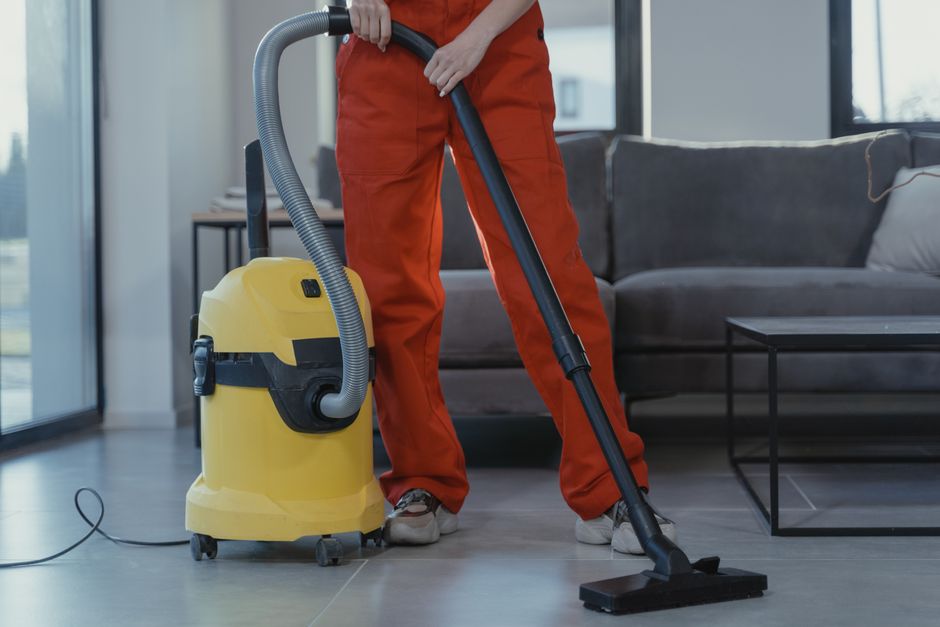
Carpet cleaning is one of the most practical service businesses you can start in 2026. Demand is consistent, the barriers to entry are low, and the work is something you can do solo before you ever hire anyone. Most operators run their first job within 30 to 60 days of deciding to start. You do not need a license in most states, you do not need a commercial space, and you do not need a fleet of trucks. What you do need is the right equipment, an honest understanding of the costs, and a plan for landing your first clients.
This guide covers all of it without the hype.
Is the Carpet Cleaning Business Actually Worth Starting?
The short answer is yes, but let us be specific. A solo operator working 5 to 6 jobs per week can realistically generate $60,000 to $90,000 in annual revenue. A two-truck operation with a part-time helper can push that to $150,000 to $200,000. These are not best-case projections pulled from sales copy. They reflect what owner-operators in mid-size markets actually report.
The BLS tracks building cleaning and pest control as a combined category, but carpet cleaning specifically benefits from a few durable trends: more people working from home (more foot traffic on rugs), rising demand for professional cleaning after floods and water damage, and commercial clients like offices, hotels, and apartment complexes that need cleaning on a schedule. According to the SBA’s small business launch resources, home services are among the strongest categories for first-time entrepreneurs because startup costs are manageable and the customer base is local and recurring.
That said, this is physical work. You will be lugging equipment, bending over, and operating in other people’s homes. It is not passive income. But if you like tangible results and working for yourself, few businesses offer a cleaner path from zero to paying customer.
Startup Costs: What You Actually Need to Get Started
Your biggest decision upfront is what type of cleaning machine to use. There are two main options:
Truck-Mounted Machines
Truck mounts are the gold standard. They install into a van or truck, run off the vehicle’s engine, and deliver superior suction and heat. A used truck-mount setup (machine plus van) typically runs $15,000 to $40,000. New units can reach $60,000 or more. Most operators starting out do not buy new. The machine itself is the biggest cost, and there is a deep used market on platforms like Cleanfax and among distributors.
Portable Extractors
Portable hot-water extractors are a legitimate lower-cost entry point. Machines from brands like Mytee, Sapphire Scientific, or ProTeam range from $1,500 to $5,000 new. They do not match truck mounts on production speed or extraction power, but they are more than capable for residential jobs and smaller commercial accounts. Many operators start portable and upgrade later.
Full Startup Budget Estimate
- Portable extractor: $1,500 to $4,000
- Wand, hoses, attachments: $300 to $700
- Cleaning chemistry (pre-spray, encap, spotters): $200 to $400
- Business registration and liability insurance: $500 to $1,200/year
- Vehicle (if you don’t have one): variable; a used van or SUV works fine for portable setups
- Basic marketing (website, Google Business Profile, business cards): $200 to $500
All-in for a portable starter setup: $3,000 to $7,000, not counting a vehicle. For a used truck mount with a van: $15,000 to $35,000.
Liability insurance is non-negotiable. You are working inside people’s homes. A policy through a provider like Next Insurance or a local commercial agent typically runs $500 to $900 per year for a solo operator.
What Certifications Help (and Which Are Optional)
You do not need a license to clean carpets in most U.S. states. However, certifications from the IICRC (Institute of Inspection, Cleaning and Restoration Certification) carry real weight with clients and commercial accounts. The most relevant is the Carpet Cleaning Technician (CCT) certification, which costs around $300 to $500 including the course and exam. It signals that you know what you are doing and can handle various fiber types without damaging them.
If you want to expand into water damage restoration later, the IICRC also offers the Water Damage Restoration Technician (WRT) cert. That opens the door to insurance work, which pays far above standard cleaning rates.
How to Price Carpet Cleaning Jobs
There are two common pricing models:
Per Square Foot
Standard residential pricing runs $0.25 to $0.50 per square foot for basic hot-water extraction. A 1,000 square foot home with carpeted bedrooms and a living room might total 600 to 800 square feet of carpet, putting the job at $150 to $400. Premium services (deodorizing, Scotchgard protection, pet urine treatment) add $50 to $150 per job.
Per Room
Per-room pricing is simpler to communicate in ads. Standard room rates range from $35 to $75 per room, with a minimum charge of $100 to $150. Many operators use minimums to avoid making a 20-minute trip for a tiny job.
Commercial work is priced differently. Large office carpets are often bid at $0.10 to $0.20 per square foot due to volume, but the jobs are larger and more predictable. A single commercial account cleaning an office building monthly can be worth $1,000 to $3,000 per visit.
Do not undercharge to get started. It is tempting, but it devalues your work, attracts the worst clients, and is nearly impossible to reverse. Price at market rate, do excellent work, and let reviews build your reputation.
How to Find Your First Clients
Most carpet cleaning businesses grow through three channels in the early stage:
1. Google Business Profile
This is your most important marketing asset. Set it up before your first job. People searching “carpet cleaning near me” are ready to book. A complete profile with photos, services listed, and even a few early reviews will get you calls. Ask every client to leave a review immediately after the job. Five reviews in your first month puts you ahead of half the local competition.
2. Nextdoor and Facebook Groups
Introduce yourself in local neighborhood groups. Do not spam. Post something like: “Just launched a carpet cleaning business in [City]. First 5 jobs I’m doing at cost to build reviews. DM me.” You will get takers. Neighborhood referrals compound fast.
3. Referral Partnerships with Complementary Businesses
Real estate agents, property managers, home cleaning companies, and move-out coordinators all have clients who need carpet cleaning on a timeline. One property manager with 50 units is potentially worth $30,000 per year in recurring business. Show up in person, leave a card, offer a referral fee. This one relationship type changes the trajectory of the whole business.
For residential lead generation, platforms like Thumbtack, Angi (formerly Angie’s List), and HomeAdvisor can supplement your organic leads early on, though you will pay per lead. Use them sparingly until you have a review base and can rely more on search.
If you are also considering other home service side hustles, the playbook for getting first clients is similar across categories. See our guide to starting a window cleaning business for another take on building a local service client base from zero.
What to Expect in Your First 90 Days
Realistically, month one is setup and your first few jobs. Month two is finding your rhythm, refining your process, and starting to collect reviews. Month three is where it gets interesting: if you have done 15 to 20 jobs and asked every client for a review, your Google profile is starting to rank, referrals are beginning to trickle in, and you are getting a feel for which client types and job types are most profitable.
Most solo operators hit their first $5,000 month between months three and six. Some do it faster in high-density markets. Some take longer in rural areas. The operators who fail do so not because of bad equipment but because they give up on marketing after the first slow week.
One thing that separates good carpet cleaning businesses from great ones: consistent follow-up. Send every client a message at the six-month mark reminding them that carpets typically need cleaning every 12 to 18 months. That one habit alone fills your calendar without spending another dollar on advertising.
Scaling Beyond Solo
Once you are consistently booked three to four days a week, you have a decision: turn away work, raise prices, or add capacity. Most operators add a part-time helper first. A helper allows you to run larger jobs faster, take on more commercial work, and start thinking about a second van.
Some owners grow to two to three trucks and step out of the field entirely. At that stage, the business runs on systems: scheduling software (Jobber or Housecall Pro are popular), automated review requests, and trained technicians who represent your brand. If you need help building out your operations before hiring, platforms like Fiverr have qualified freelancers who can build your website, design your van wrap, or set up your CRM at a reasonable cost.
The ceiling on this business is higher than most people assume. A well-run three-truck operation in a suburban market can clear $400,000 to $600,000 per year. You probably are not starting there. But you could get there, and the path is clearer than it looks from the outside.
For more context on the broader service business landscape, also check out our guide to starting a junk removal business, which follows a similar low-cost, high-demand model.
The Bottom Line
Carpet cleaning is a legitimate, scalable service business with low barriers to entry and real income potential. The startup costs are manageable, the demand is steady, and the path to your first dollar is measured in weeks, not years. Get the right equipment, price your work fairly, do excellent jobs, and ask for reviews every single time. That is the whole playbook at the start.
If you are serious about building a service business and want to learn from other entrepreneurs doing exactly that, join the Hustler’s Library community for free and get access to guides, tools, and a network of operators who have been in your shoes.
Ready to Know Where You Stand?
The Business Journey dashboard maps your exact position across all 13 stages. Track your progress, unlock resources for each step, and build with a framework used by thousands of founders at Hustler's Library.

No credit card required · Takes 3 minutes · Personalized to your stage