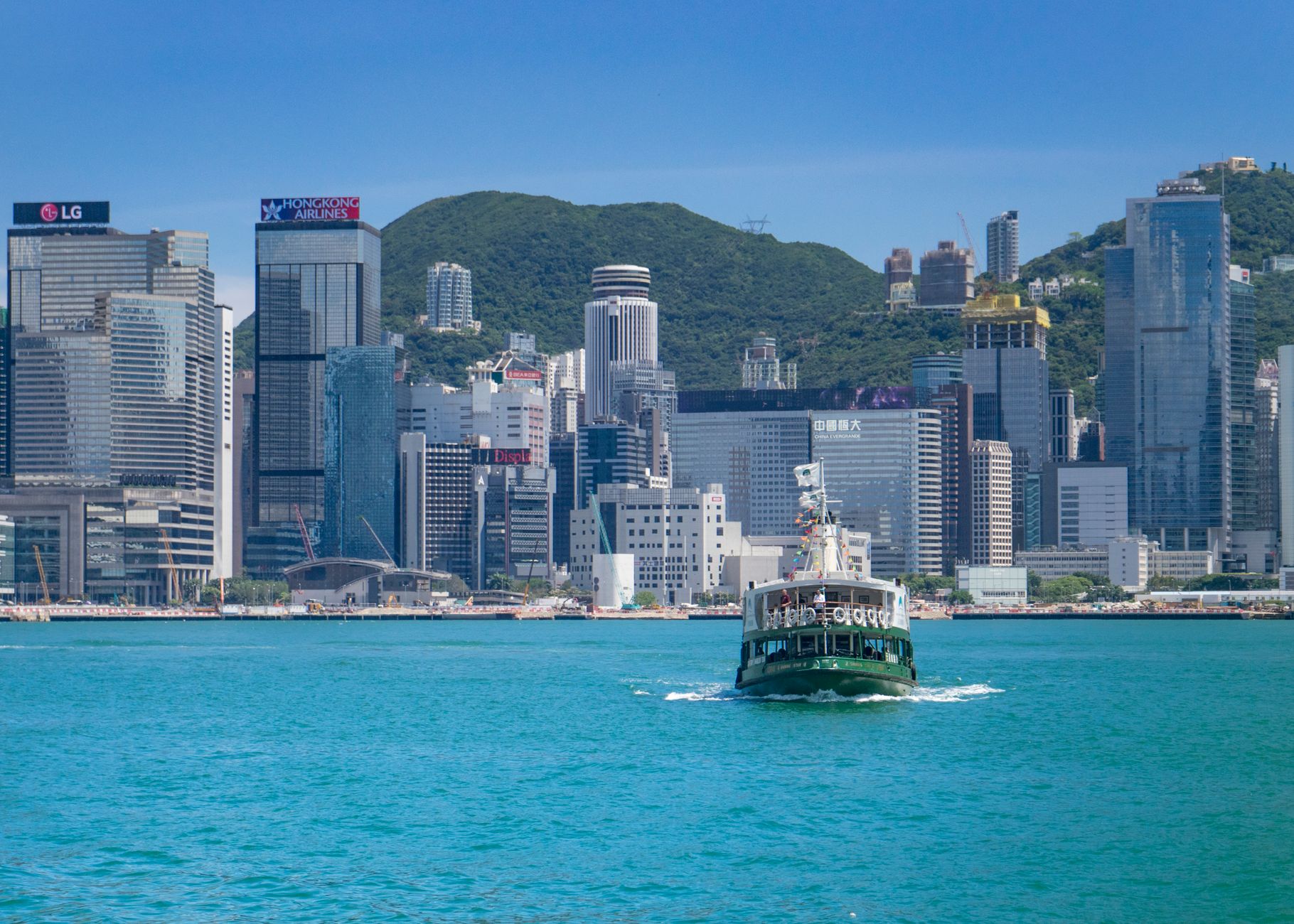
Hong Kong has long ranked among the world’s top destinations for entrepreneurs and investors looking to establish a company in Asia. With a straightforward registration process, a common law legal system, zero minimum capital requirements, and a globally respected financial infrastructure, the city remains one of the most business-friendly jurisdictions on the planet. Whether you are launching a startup, setting up a regional headquarters, or entering the China market, understanding how to start a business in Hong Kong is your first move.
Why Hong Kong for Business Formation?
Hong Kong operates under a common law framework inherited from British rule, making contracts, intellectual property protections, and dispute resolution familiar and reliable for Western founders. The city levies no capital gains tax, no withholding tax on dividends, and applies a corporate profits tax of just 8.25 percent on the first HKD 2 million of assessable profits, stepping up to 16.5 percent beyond that threshold.
InvestHK, the government agency dedicated to attracting foreign direct investment, offers free advisory services, market entry support, and startup support programs through its StartmeupHK initiative. If you are serious about operating in Asia, Hong Kong gives you a level of institutional support that few cities can match.
Types of Business Structures
Most foreign entrepreneurs incorporate as a Private Limited Company in Hong Kong. This structure offers limited liability, separates personal and business assets, and projects credibility with banks and clients. Other options include sole proprietorships, partnerships, and branch offices of foreign companies, though the private limited structure is by far the most common for serious ventures.
A common strategic question founders face is BVI vs. Hong Kong company structure. A British Virgin Islands holding company layered above a Hong Kong operating entity is a popular arrangement for investors seeking additional asset protection and privacy. The BVI entity holds the shares of the HK company, offering flexibility for future fundraising and exits. That said, for most entrepreneurs focused on trading, services, or retail operations, a straightforward Hong Kong company is sufficient and simpler to maintain.
The Companies Registry Registration Process
Registering a company in Hong Kong through the Companies Registry is a fast, digital-first process. Here is what to expect:
- Step 1: Choose a company name. Your name must not be identical or too similar to an existing registered company. The Companies Registry offers an online name search tool.
- Step 2: Prepare incorporation documents. These include the Articles of Association, Form NNC1 (for companies limited by shares), and details of directors, shareholders, and the company secretary.
- Step 3: Appoint a company secretary. Every Hong Kong company must have a company secretary who is either a Hong Kong resident individual or a locally registered corporate body. This is a compliance requirement, not a formality.
- Step 4: Designate a registered address. You need a physical Hong Kong address for official correspondence. Virtual office services are widely available and accepted.
- Step 5: Submit via e-Registry. Online incorporation through the e-Registry portal typically takes one business day. The registration fee starts at HKD 1,720.
- Step 6: Apply for a Business Registration Certificate. Issued by the Inland Revenue Department, this certificate is required before you begin trading. Annual renewal costs HKD 2,000.
There is no minimum paid-up capital requirement for a Hong Kong company. Many founders incorporate with just HKD 1 in issued share capital, though banks may require demonstrated working capital when opening a business account.
Opening a Business Bank Account
Banking is often cited as the most challenging step for foreign founders. Traditional banks like HSBC, Standard Chartered, and Hang Seng have tightened their KYC requirements significantly since 2015. Expect to provide corporate documents, proof of business activity, director identification, and in some cases an in-person interview.
Fintech alternatives such as Airwallex, ZA Bank for Business, and Neat have simplified account opening considerably, particularly for early-stage companies without established trading histories. Many founders open a fintech account first to get operational while pursuing a traditional bank relationship in parallel. For a deeper look at banking options, check out our guide to the best banks in Hong Kong for business owners.
Hiring and Employment Considerations
Hong Kong’s Employment Ordinance governs labor relations and is generally considered employer-friendly compared to many Western jurisdictions. There is no general minimum wage legislation targeting professional roles, and employment contracts can be structured with significant flexibility. The Mandatory Provident Fund (MPF) requires both employers and employees to contribute 5 percent of relevant income, capped at HKD 1,500 per month per party.
For foreign founders who need to physically work in Hong Kong, an Investment as Entrepreneur visa or an Employment visa (sponsored by the company) will be required. Processing times vary but typically run four to eight weeks.
Ongoing Compliance Requirements
Once incorporated, Hong Kong companies face relatively light ongoing compliance obligations:
- Annual Return: Filed with the Companies Registry within 42 days of the incorporation anniversary. Fee: HKD 105.
- Profits Tax Return: Filed with the Inland Revenue Department annually. Deadline is typically 18 months after the financial year end for the first return.
- Business Registration Renewal: Annual renewal of the Business Registration Certificate.
- Statutory Audit: All Hong Kong companies must have their accounts audited by a Certified Public Accountant (CPA) registered in Hong Kong. This is non-negotiable, even for dormant companies.
InvestHK and Startup Support
InvestHK provides free, confidential advisory services to foreign entrepreneurs at every stage from pre-incorporation research to post-setup expansion. Their industry desks cover fintech, asset management, innovation, and more. The StartmeupHK Festival is an annual event that connects global founders with investors, corporates, and government resources.
For entrepreneurs coming from the US or needing a formation service that handles the paperwork end-to-end, Northwest Registered Agent is a trusted resource for business formation support. While they specialize in US entities, their registered agent services and formation expertise are a solid reference point for founders navigating the process of establishing a compliant legal presence.
Funding Your Hong Kong Business
Hong Kong has a deep pool of venture capital, family offices, and angel investors, particularly in fintech, proptech, and cross-border trade. The government also operates several grant programs through the Innovation and Technology Commission. For a full breakdown of capital sources, see our guide to small business funding in Hong Kong.
Take the Next Step
Starting a business in Hong Kong is one of the fastest, most cost-effective ways to establish a credible presence in Asia. The combination of a common law system, low taxes, no capital gains, and a world-class financial ecosystem creates genuine advantages that are hard to replicate elsewhere. Do your homework, get the right advisors in place, and move decisively.
Ready to build your business playbook? Join Hustler’s Library free and get access to our full library of city guides, startup resources, and entrepreneur frameworks.
For a full overview of doing business in Hong Kong, see our complete guide to doing business in Hong Kong.
Ready to Know Where You Stand?
The Business Journey dashboard maps your exact position across all 13 stages. Track your progress, unlock resources for each step, and build with a framework used by thousands of founders at Hustler's Library.

No credit card required · Takes 3 minutes · Personalized to your stage