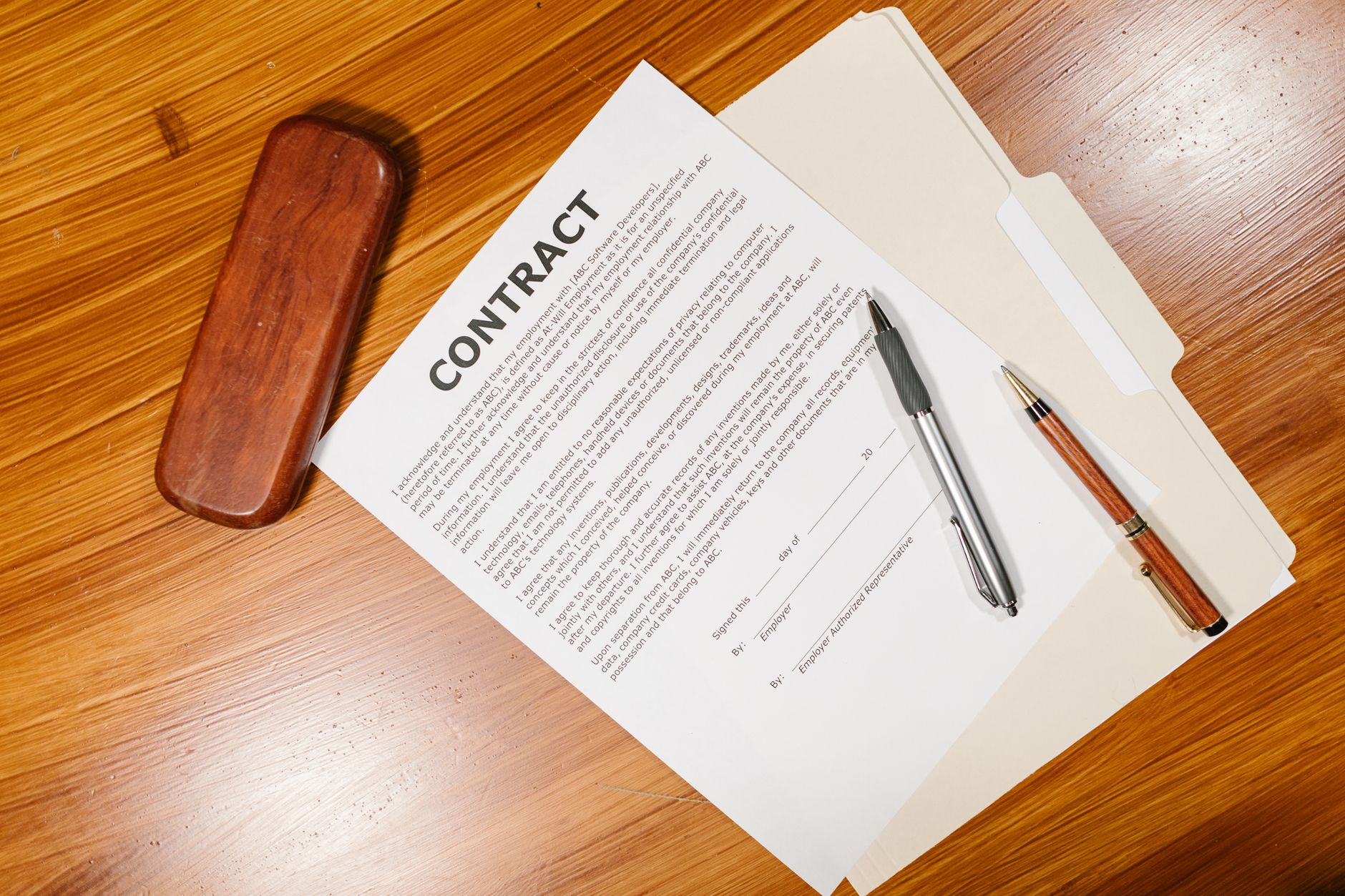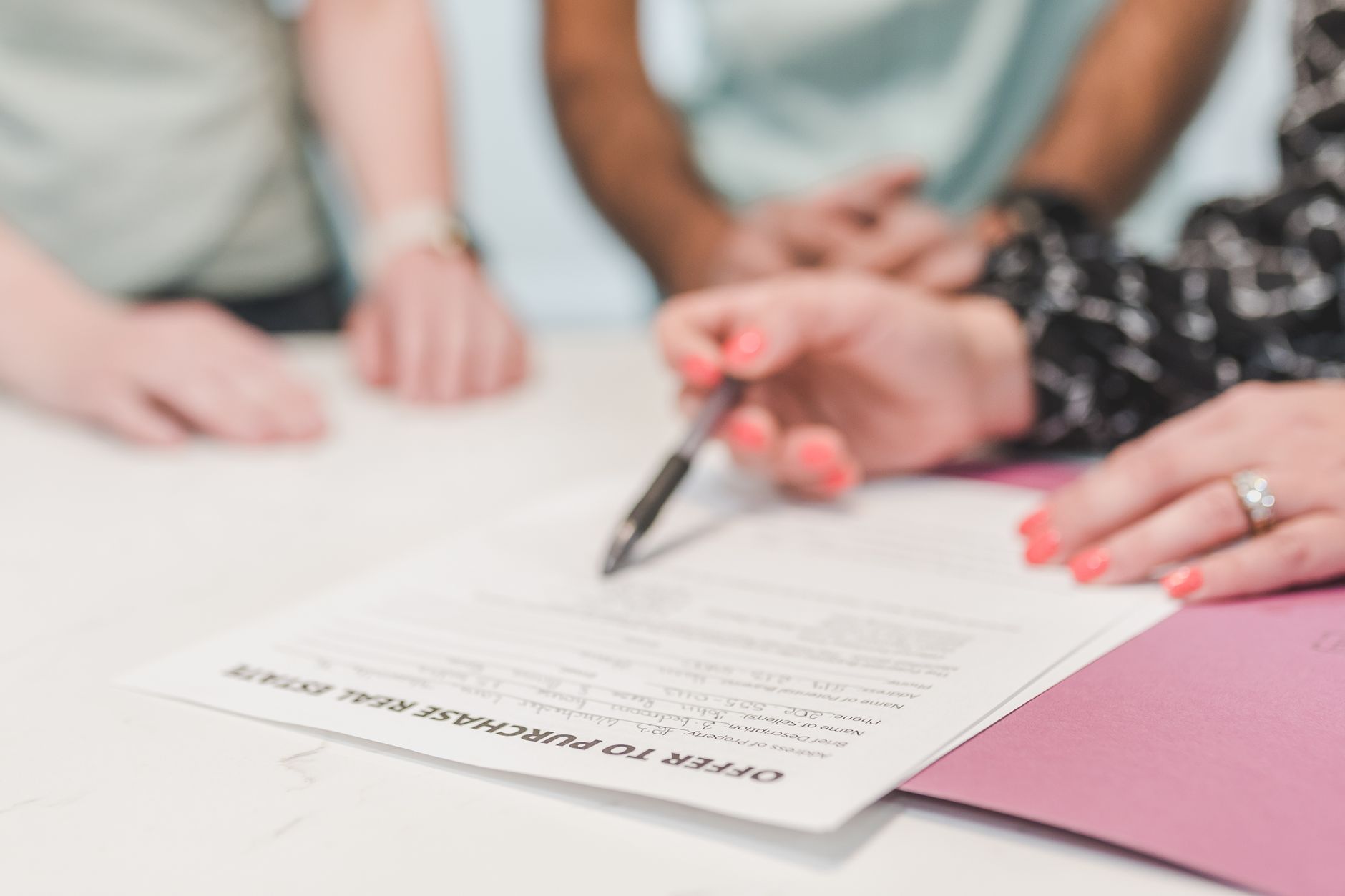
Buying an existing business in Amsterdam can be a faster path to market than building from scratch. You inherit an established customer base, existing staff, operational infrastructure, and often a proven revenue model. However, Dutch business acquisitions come with specific legal, tax, and cultural considerations that require careful preparation. This guide walks you through the key steps and considerations for buying a business in Amsterdam.
Why Buy Rather than Build in Amsterdam
Amsterdam is an expensive city to build a business from zero. Wage costs are high, commercial real estate is competitive, and acquiring the right talent takes time. Buying an existing business eliminates many of these bootstrapping challenges: you get an operation that is already running, employees who know the market, and potentially established supplier and customer relationships. For foreign entrepreneurs entering the Dutch market, an acquisition also accelerates the learning curve about local regulatory norms, business customs, and market dynamics.
Finding Businesses for Sale in Amsterdam
The primary marketplace for buying and selling businesses in the Netherlands is the Ondernemingsbeurs and specialist platforms like Brookz, which is the Dutch equivalent of BizBuySell. BizBuySell also lists some Dutch businesses alongside their US inventory, particularly for American buyers scouting international opportunities. Dutch business brokers (overname adviseurs) maintain proprietary deal flow that never reaches public listings, so engaging a local broker early gives you access to off-market opportunities that represent some of the best deals in the market.
Due Diligence in the Netherlands
Dutch due diligence follows broadly similar principles to due diligence in other Western markets, but with some local specifics. First, verify the KvK registration and the company’s full filing history, which is publicly accessible through the KvK trade register. Second, review the company’s financial statements for the past three years. Dutch companies above certain size thresholds are required to file audited accounts, which provides a degree of reliability. Third, examine existing employee contracts carefully. Dutch employment law is highly employee-protective, and inheriting a workforce with protected contracts has significant cost implications for the buyer. Fourth, review all outstanding tax filings and any correspondence with the Belastingdienst (Dutch Tax and Customs Administration).
Deal Structures: Asset Deal vs. Share Deal
As in most markets, Dutch acquisitions are structured either as share deals (buying the shares of the company) or asset deals (buying specific assets of the business). Share deals are more common for larger, established businesses where the buyer wants to acquire the entirety of the legal entity including its existing contracts, licenses, and goodwill. Asset deals are more common for smaller businesses or situations where the buyer wants to cherry-pick specific assets while leaving liabilities behind. Each structure has different tax implications, so your Dutch tax advisor and M and A lawyer should model both scenarios before you commit to a deal structure.
Valuation Norms in the Dutch Market
Dutch SME businesses typically trade at three to six times EBITDA for established companies with stable cash flows, though technology businesses and high-growth companies command significantly higher multiples. Goodwill is a recognized component of Dutch business valuations, and the market has mature norms around how it is calculated for different business types. Engage an independent Dutch business valuator (register with NIRV or NRV) for any transaction above EUR 500,000 to ensure you are paying a fair price.
Closing the Deal
Share transfers in a Dutch BV require notarial involvement. The transfer must be executed before a Dutch civil law notary using a share transfer deed (leveringsakte). This is a legal requirement and cannot be circumvented. Escrow arrangements and representations and warranties insurance are becoming more common in Dutch mid-market transactions, reflecting increasing alignment with UK and US deal practices. Allow four to eight weeks from heads of agreement to completion for a straightforward transaction.
For expert legal support on your Amsterdam acquisition, see our guide on business lawyers in Amsterdam. For the full business context, visit our Amsterdam business hub.
For official Dutch M and A resources and company information, visit the Dutch Chamber of Commerce (KvK).
Access our full library of acquisition guides and deal templates. Join Hustler’s Library free.
Ready to Know Where You Stand?
The Business Journey dashboard maps your exact position across all 13 stages. Track your progress, unlock resources for each step, and build with a framework used by thousands of founders at Hustler's Library.

No credit card required · Takes 3 minutes · Personalized to your stage