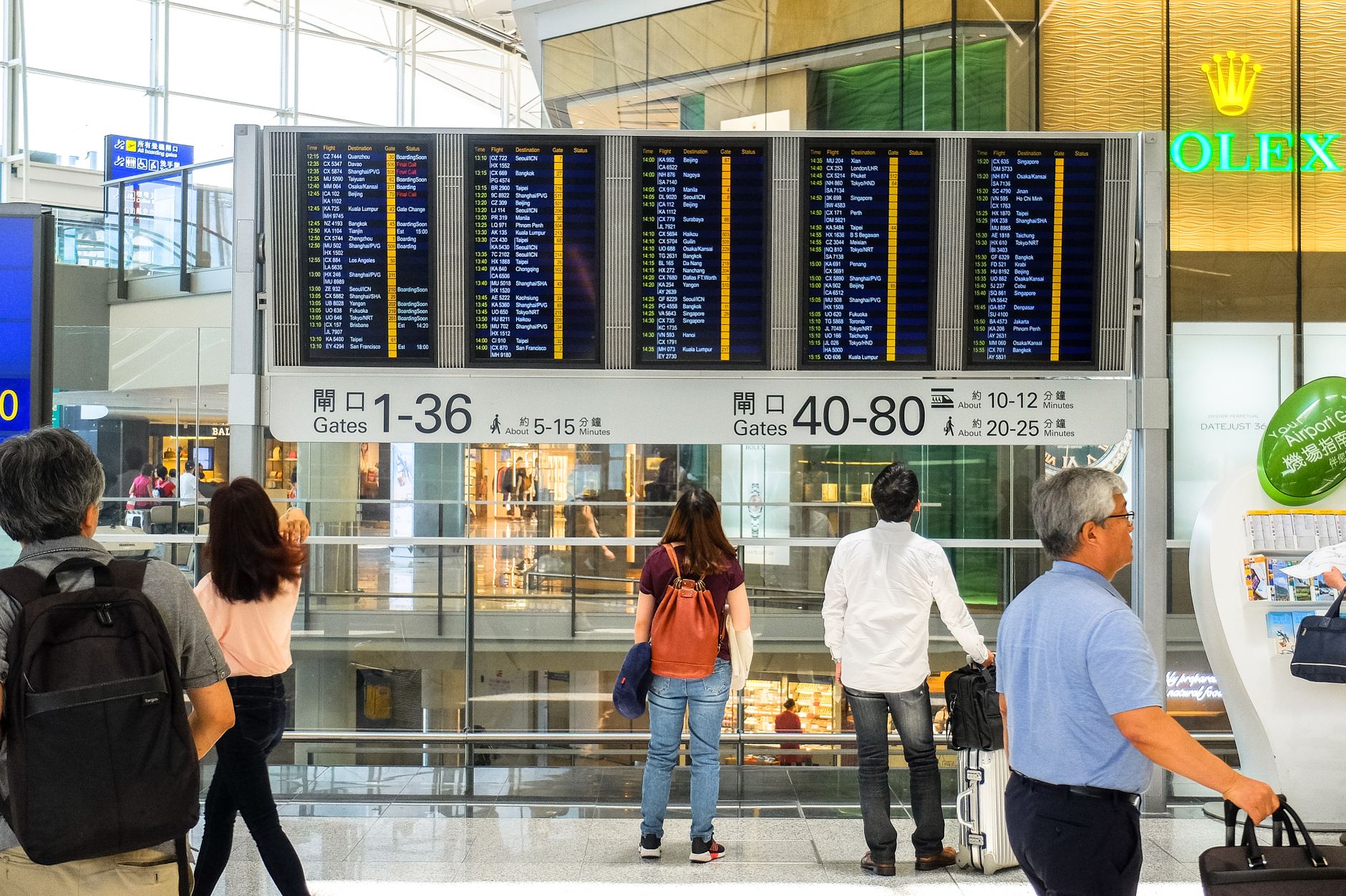
Checking a bag is a tax on your time. Forty-five minutes at baggage claim, the possibility of delay or loss, and an extra fee for the privilege. Entrepreneurs who travel regularly figure this out quickly and reorganize their packing around a carry-on. The question becomes: which one?
The right carry-on is personal: it depends on how often you travel, what you’re carrying, whether you prioritize organization or durability, and, yes, what you want it to say when you walk into a hotel or boardroom. Here’s the honest breakdown across tiers.
Value Tier: $150 to $250
These are the everyday-carry options: solid polycarbonate construction, good organization, and no regrets if they get dinged up at a regional airport.
Away Carry-On
The Away Carry-On (around $295, sometimes lower on sale) has become the default choice for professional travelers in the United States, and it earned that position honestly. German-made polycarbonate shell, 360-degree spinner wheels, TSA-approved combination lock built into the zipper, and a clean interior with a compression pad and laundry bag. The ejectable battery option (available in some models) adds a USB-A port for charging on the go, though the battery must be removed before checking; plan accordingly. The branding is subtle and clean. Away occupies the same cultural position for luggage that a MacBook does for laptops: it’s the professional default. If you don’t want to think about luggage, buy this.
Monos Carry-On
The Monos Carry-On (around $225 to $245) is the Canadian alternative that beats Away on several objective specs: slightly lighter, double spinner wheels with wider footprint for stability on uneven surfaces, and a concave shell design that handles pressure impact better than flat-panel construction. The interior organization is well thought out. The brand is less recognized than Away but that gap is closing. If you care about specs over brand recognition, Monos is the better product dollar-for-dollar at this tier.
Mid-Range: $250 to $500
At this level, you’re getting significantly better materials, wheels that glide instead of roll, and products that look the part in a business hotel lobby.
Rimowa Essential
The Rimowa Essential (around $700, frequently discounted to $490 to $550 during sales) is Rimowa’s polycarbonate line: lighter than the aluminum, with the same quality wheels and distinctive parallel grooves. If you’ve ever noticed that a carry-on bag glides effortlessly while yours wobbles, the difference is almost certainly the wheel quality. Rimowa’s Multi-Wheel system is the benchmark in this category. The TSA lock is integrated cleanly, the zippers are smooth, and the interior is intelligently organized with flex-dividers. This is the bag that reads as “I travel for work, a lot.”
Tumi 19 Degree
The Tumi 19 Degree (around $495 to $595) is a polycarbonate carry-on with a distinctive shell texture and Tumi’s Hinomoto spinner wheels, which are widely considered among the best available. Tumi’s branding is conspicuous: the logo and brand ID tags are visible. Some find this appealing; others prefer the cleaner aesthetics of Rimowa or Away. The build quality is excellent, and Tumi’s lifetime warranty program provides real coverage. For entrepreneurs who travel in American business contexts, Tumi is a recognized signal of professional frequent-flier status.
Premium: $500 to $900
This tier is where luggage becomes identity. Not everyone needs this, and that’s fine. But if you’re on a plane every week and want luggage that matches the level of everything else in your professional kit, here’s what to consider.
Rimowa Original Aluminum
The Rimowa Original (around $800 to $1,050 depending on size and colorway) is the aluminum luggage that defines the category. The parallel ribbing is so distinctive it’s become a visual shorthand for “serious traveler.” Aluminum construction means it’s heavier than polycarbonate (around 5.3kg for the cabin size) but essentially indestructible, and every dent and scratch it accumulates tells a story. Seeing one in a boarding line is like seeing a watch with a worn NATO strap: it’s been places. The multi-wheel system is the same quality as the Essential. This is the watch equivalent of luggage: a signal that says you’ve been doing this for years and you’ve invested accordingly. The weight penalty is real for overhead bins on regional jets; know your routes before committing.
Briggs & Riley Baseline
The Briggs & Riley Baseline (around $549 to $699) comes with the most comprehensive warranty in the luggage business: they will repair the bag for free, for any damage including airline damage, for the life of the bag. No receipt required. That’s not marketing language; it’s a literal unconditional lifetime guarantee that frequent flyers consistently cite as the reason they chose this brand after losing two Rimowas to airline mishandling. The CX compression expansion system adds usable capacity when you need it and compresses back down for carry-on compliance. Not as visually striking as the Rimowa aluminum, but arguably the most practical premium option for heavy travelers.
Practical Notes: Overhead vs. Under-Seat, TSA Locks, and Wheels
Most carry-ons marketed as such fit in domestic overhead bins for major carriers. The critical measurements are the FAA general standard (22 x 14 x 9 inches) and the more restrictive limits some budget carriers impose (20 x 16 x 8 inches or similar). If you fly Spirit, Frontier, or Ryanair regularly, measure before you buy. Under-seat bags are typically personal item size (18 x 14 x 8 inches or smaller) and not what we’re discussing here.
TSA-approved locks are built into most quality carry-ons now, meaning TSA agents can open them with a master key rather than cutting your lock. This is worth having. Spinner wheels (four wheels with 360-degree rotation) are preferable to two-wheel rollers for navigating crowded terminals and hotel lobbies. Two-wheel bags are slightly more stable on rough outdoor surfaces and some travelers prefer them for cobblestones in European cities; for airports, spinners win.
For a complete guide to running your business effectively while traveling, see our piece on taking your small business international. And for the broader picture on building the kind of operation that requires frequent travel, strategic thinking for business growth is required reading.
According to Wirecutter’s carry-on luggage guide, the Away and Rimowa brands consistently top reader satisfaction surveys for frequent business travelers, validating what most road warriors already know from experience.
The honest recommendation: Away or Monos for the occasional traveler or someone building their kit. Rimowa Essential or Tumi 19 Degree for the regular business traveler who wants something that shows. Rimowa Original aluminum or Briggs & Riley for the entrepreneur on planes every week who wants luggage that matches the level of everything else.
Want more resources for building a serious business? Join the community at Hustler’s Library (free access here).
Ready to Know Where You Stand?
The Business Journey dashboard maps your exact position across all 13 stages. Track your progress, unlock resources for each step, and build with a framework used by thousands of founders at Hustler's Library.

No credit card required · Takes 3 minutes · Personalized to your stage