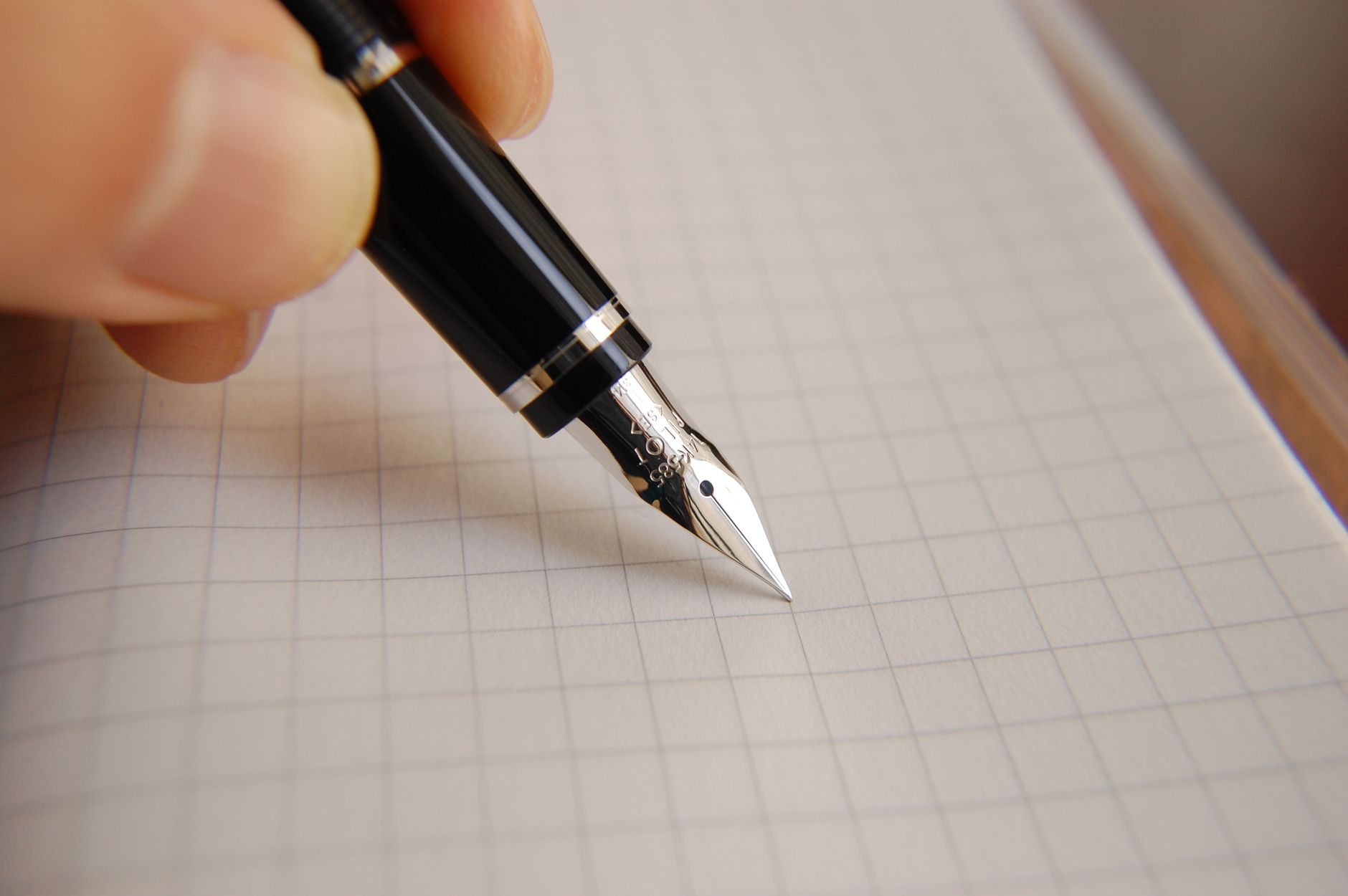
Most entrepreneurs don’t think twice about their pen. They grab whatever’s on the desk, sign what needs signing, and move on. That’s a missed opportunity. A pen is one of the few physical objects that actually signals something in a business context. When you pull out a Montblanc Meisterstück at a closing dinner, it says you’ve been doing this a while. When you uncap a Bic, it says nothing, or worse, it says you’re not paying attention to details.
This isn’t about being flashy. It’s about intentionality. The best entrepreneurs are deliberate about the tools they use, and a pen is a tool you use in front of other people. Here’s how to think about it across price tiers.
Daily Carry: $20 to $60
This tier is about finding something that writes well every day without requiring much maintenance or worry. The three most recommended options at this level are the Lamy Safari (around $30), the Pilot Metropolitan (around $25), and the Kaweco Sport (around $25 to $35 depending on material).
Lamy Safari
The Safari is a German-made fountain pen with a grip section designed to guide your fingers into the correct writing position. It comes in dozens of colors and accepts standard Lamy cartridges or a converter for bottled ink. For the price, the build quality is remarkable: it’s made of ABS plastic but feels intentional rather than cheap. The nib writes smoothly right out of the box, and because it’s so widely owned, replacement parts and nibs (including broader or finer options) are easy to find. The trade-off: it’s visually casual. You wouldn’t bring this to a board meeting, but for journaling, daily notes, or client prep work, it’s excellent.
Pilot Metropolitan
The Metropolitan is a metal-bodied fountain pen that looks considerably more expensive than its price point. The brass construction gives it real weight and a satisfying heft in the hand. Pilot’s nibs are known for consistency, and the Metropolitan’s medium nib is one of the smoothest writers in its class. If you want to try fountain pens without committing real money, this is the place to start. Roller ball and ballpoint versions are also available if you prefer those mechanisms.
Kaweco Sport
The Kaweco Sport is pocket-sized when capped, which makes it genuinely portable in a way larger pens aren’t. Post the cap and it becomes a full-size writing instrument. Available in fountain, rollerball, and ballpoint configurations. The aluminum and brass versions run slightly higher but feel more premium. For entrepreneurs who travel light and want something that fits in a shirt pocket, this is a smart choice.
Fountain vs. Rollerball vs. Ballpoint: Fountain pens offer the smoothest writing experience but require more care (ink, occasional cleaning). Rollerballs use liquid ink in a disposable cartridge format and write almost as smoothly with zero maintenance. Ballpoints use oil-based ink, write on almost any surface, and are the most practical for quick everyday use. For most entrepreneurs: a ballpoint or rollerball for daily carry, and a fountain pen for desk use or pleasure writing.
Mid-Range: $60 to $200
At this tier, you’re getting pens that can legitimately come out in a professional context. Materials step up, mechanisms improve, and the writing experience gets noticeably better.
Lamy 2000
The Lamy 2000 (around $150 to $175) is a design icon. Introduced in 1966, it has changed almost nothing since, which tells you everything. It’s made from Makrolon (a polycarbonate material with a brushed matte finish) with stainless steel trim. The piston-fill mechanism holds a large ink reservoir. It’s understated in a way that reads as confident rather than cheap. This is the pen for someone who knows what they’re doing and doesn’t need to advertise it.
Pilot Vanishing Point
The Pilot Vanishing Point (around $150 to $180) solves a real problem: fountain pen convenience. A click mechanism retracts the nib, so you can use it like a ballpoint. Cap comes off before signing a document? Not with this pen. The writing experience is exceptional, Pilot’s 18k gold nib is one of the best in this price range, and the form factor is genuinely functional for business use. The only trade-off is the clip placement on the body, which sits on the same side as the nib and can feel awkward for some grips.
TWSBI Eco
The TWSBI Eco (around $32 to $40) is technically budget-priced but earns a mention here because it punches far above its cost. A demonstrator pen with a piston fill mechanism, it holds a large amount of ink and writes with a consistency that rivals pens at three times the price. If you want a desk pen that’s a pleasure to use without worrying about it, the Eco is the honest choice.
Statement Pens: $200 and Up
These are tools and signals simultaneously. When you reach into your jacket at a closing and produce one of these, it communicates something specific: you’ve made it far enough to care about the small things.
Montblanc Meisterstück 146 and 149
The Montblanc Meisterstück is the boardroom pen. The 146 (around $700 to $900) is the elegant choice: slim, proportionate, writes beautifully with its 14k gold nib. The 149 (around $900 to $1,200) is larger and heavier, the kind of pen that commands presence on a desk. Both feature the white star cap logo, black resin body, and gold-filled trim that have made Montblanc the default luxury pen brand in Western business culture. Is it worth the price in a purely functional sense? No. But you’re not buying a writing instrument at this point; you’re buying a piece of professional identity. The New York Times Wirecutter notes that the Meisterstück remains one of the most recognizable luxury pens in the world.
Pelikan M800
The Pelikan M800 (around $600 to $800) is what pen enthusiasts reach for when they want quality over signaling. German-made, with a piston fill mechanism and a two-tone 18k gold nib that is widely considered one of the best in any production pen. The green-striped resin version is classic and recognizable to those who know; to those who don’t, it just looks like a very nice pen. If you care more about the actual writing experience than brand recognition, the Pelikan beats the Montblanc at a similar or lower price point.
The Signal Question
Business is full of small signals. How you dress, how you carry yourself, what you order at dinner. A pen is part of that system. Reaching for a Montblanc when you sign a contract tells the other person you pay attention to things. Reaching for a hotel ballpoint says you don’t. Neither affects the content of the contract, but one of them is more consistent with how you want to be perceived.
Start with a Pilot Metropolitan if you’ve never used a quality pen. Move to a Lamy 2000 or Pilot Vanishing Point when you want something that can come to a client meeting. Consider a Meisterstück or Pelikan M800 when the signal matters as much as the instrument.
For more on building the right business presence, read our guide on how to use niche expertise to attract better clients and our thoughts on strategic thinking for small business owners. Building a brand that commands premium prices is about the accumulation of small signals; your tools included.
The best pen is the one you’ll actually use. But if you’re going to use one anyway, use one that says something worth saying.
Want more resources for building a serious business? Join the community at Hustler’s Library (free access here).
Ready to Know Where You Stand?
The Business Journey dashboard maps your exact position across all 13 stages. Track your progress, unlock resources for each step, and build with a framework used by thousands of founders at Hustler's Library.

No credit card required · Takes 3 minutes · Personalized to your stage